Over the last 10 years there has been a discernible change in the way that companies are approaching first aid training and emergency response testing.
Mining, Oil & Gas, Agri-Business, Rail, Air and Road transport companies have begun to demand simulated realism in their first aid training and response testing to ensure their responses are actually effective. In some cases fear of legal liability is driving the change.
Traditionally such companies had relied on simply having staff trained to a national first aid standard to meet their legal obligations. Such training is usually conducted in an inert environment where students are sheltered from the visual reality of the wounds or injuries they are being trained to treat. However, students if successful receive a first aid certificate, which may mean the company that employs them has met their legal workplace requirement for a trained first aider. But what is not known by the company or their staff that may have to rely on them when the time comes is whether or not the student can actually cope in a real situation?
Similarly, legal requirements to conduct on-site safety response training are usually just a drill. Generally, a great time for social catch ups as people go through the motions of the drill response. But would people act as per the drill if and when they were actually required to do so?
Many companies seem to have been asking the same questions as there has been a noticeable trend change towards more realistic first aid training and event testing simulations. The causes of these trend changes are varied and range from:
- Fears of complacency regarding site safety and practices;
- Remoteness of operations;
- The increased presence of ex-military who were trained to a higher standard of simulated realism;
- Emerging research that simulated realism can reduce post event mental health risks;
- The growing perceived legal risk to Directors.
Making Simulations Affordable
For over a decade TraumaSim has been providing services to the military, paramedic and emergency services in high end simulated injuries and trauma. However such services were often out of the price range or budget of some companies.
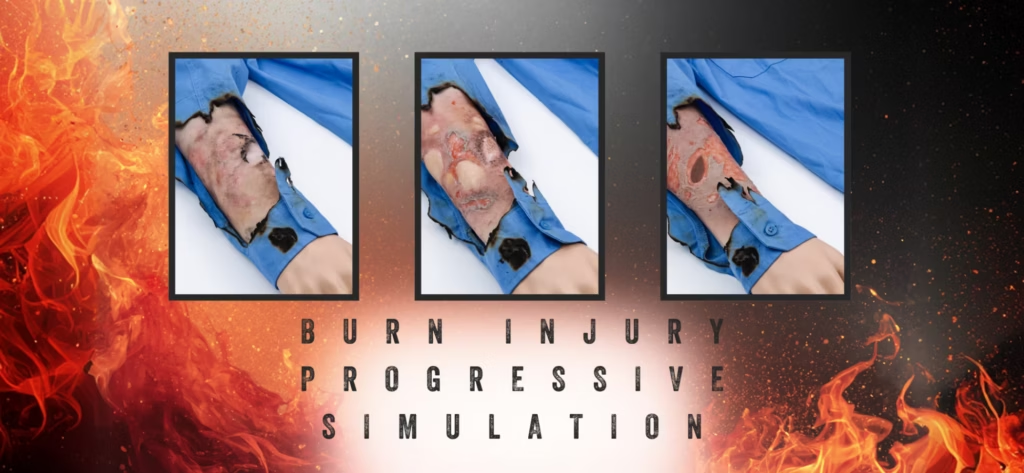
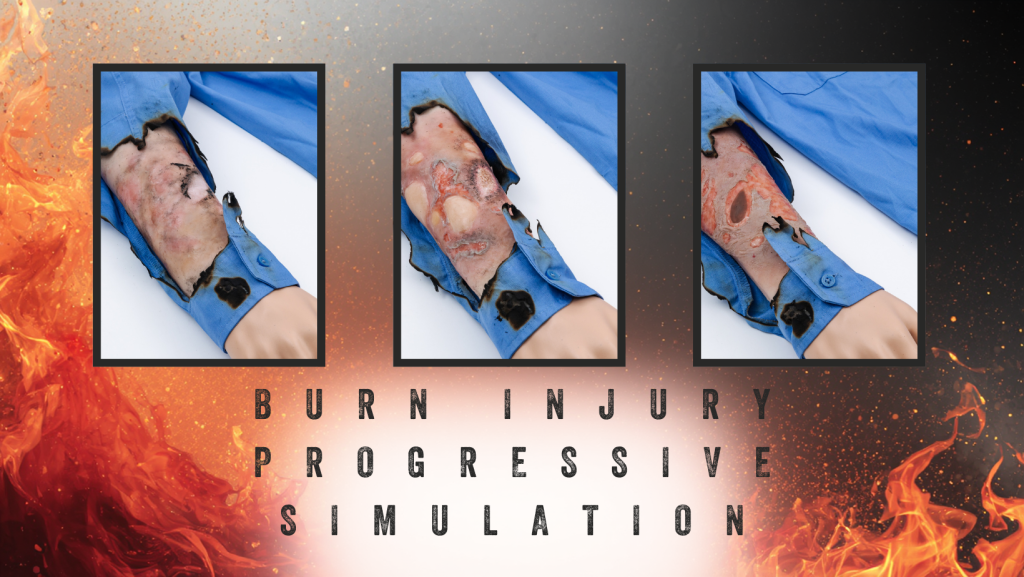
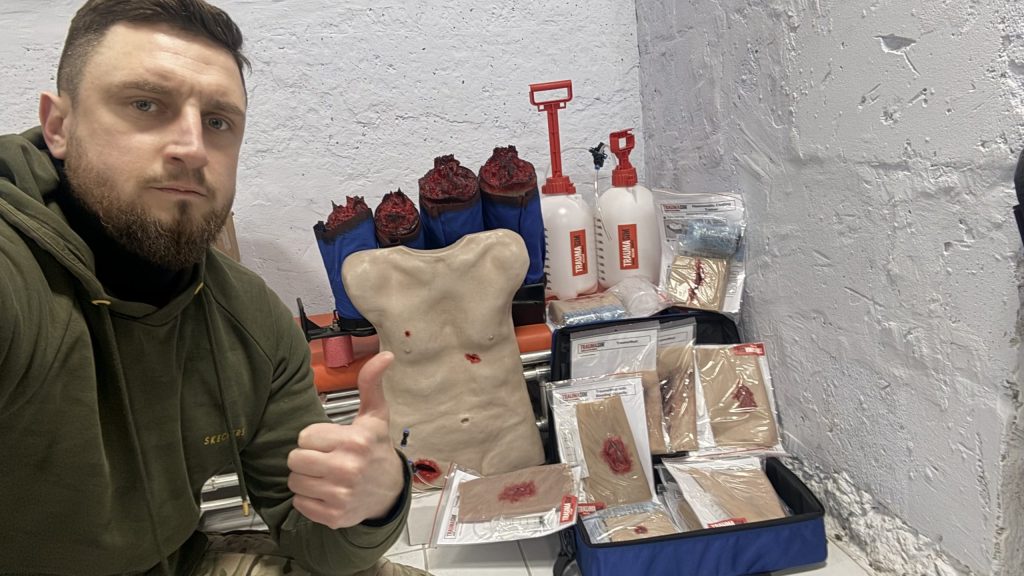
Therefore, TraumaSim spent two years researching and developing pre-made, rapid application yet realistic common wounds or injuries that Company OSH staff or Training companies could use themselves.
These reusable wound simulations can enable staff or trainers the flexibility to develop and conduct their own realistic training or events. The product range is growing, the details of all of them and our other services can be found on our website.
These are incredibly easy to use, to see how watch the short video on our LinkedIn TraumaSim page, which also shows some scenario examples.
Liked in many other sectors of training, there is a definite trend away from tick and flick training to demanding that people are actually competent to perform at the required level when needed.
Happy to discuss your thoughts?



 All Products