Burn Injury Simulation Training: Why TraumaSim Developed a Progressive Burns Range
By Belinda Rennie | Operations Manager, TraumaSim
Burn injuries are among the most challenging and confronting medical emergencies responders can face. From initial assessment and pain management to airway concerns, infection risk, and fluid resuscitation, burn care requires fast decision-making under pressure and a high level of clinical confidence.
Yet despite the complexity of burn injuries, many traditional training environments still rely on static visuals, textbook learning, or low-fidelity simulation that fails to reflect how burns truly present and evolve in real-life scenarios.
That gap in realism is exactly why TraumaSim developed the Progressive Burns Range.
Share this Article:
The Challenge with Traditional Burn Training
Burn injuries are dynamic. They change over time, vary in severity, and can quickly impact multiple systems within the body. For emergency responders, military medics, healthcare professionals, and training organisations, recognising these changes early is critical.
Traditional simulation methods often struggle to recreate:
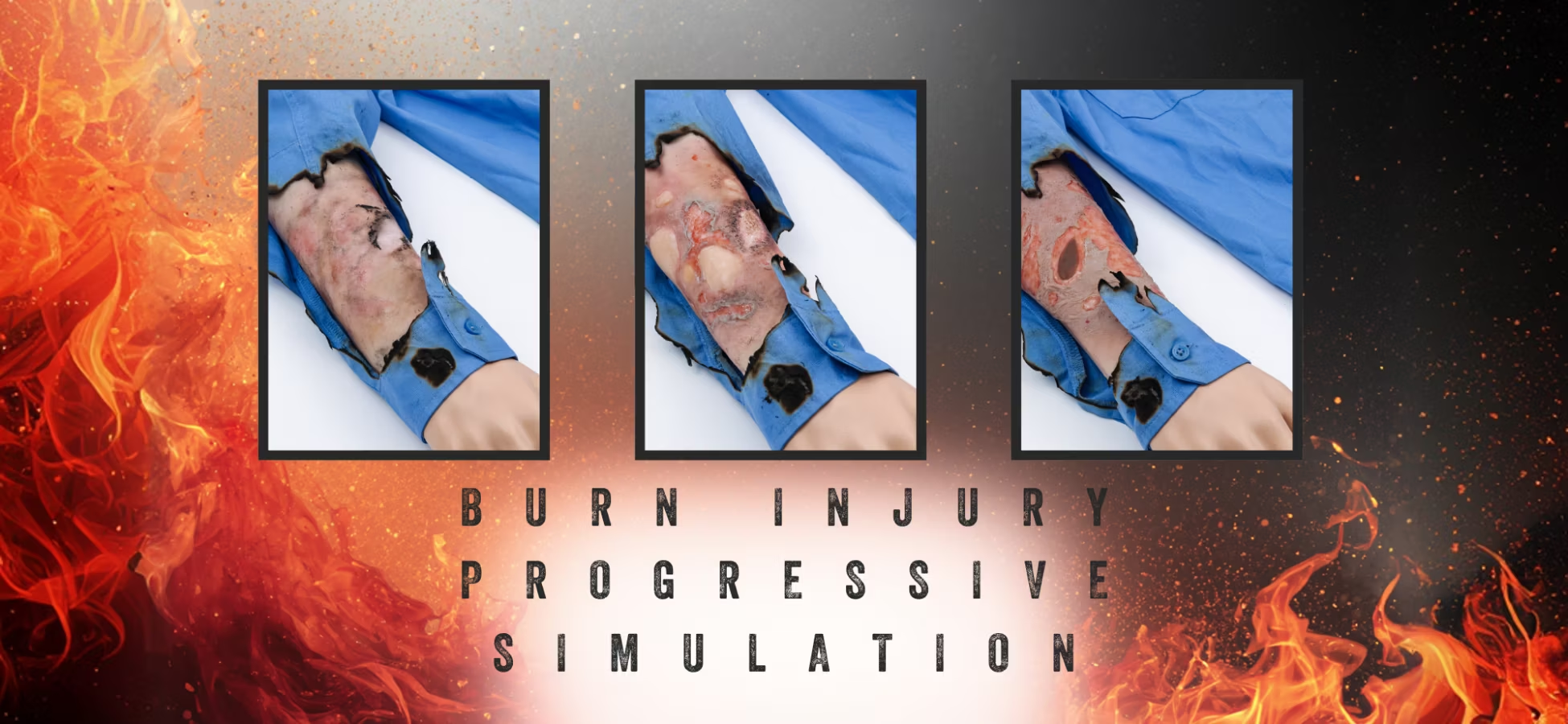
Different burn depths and severities
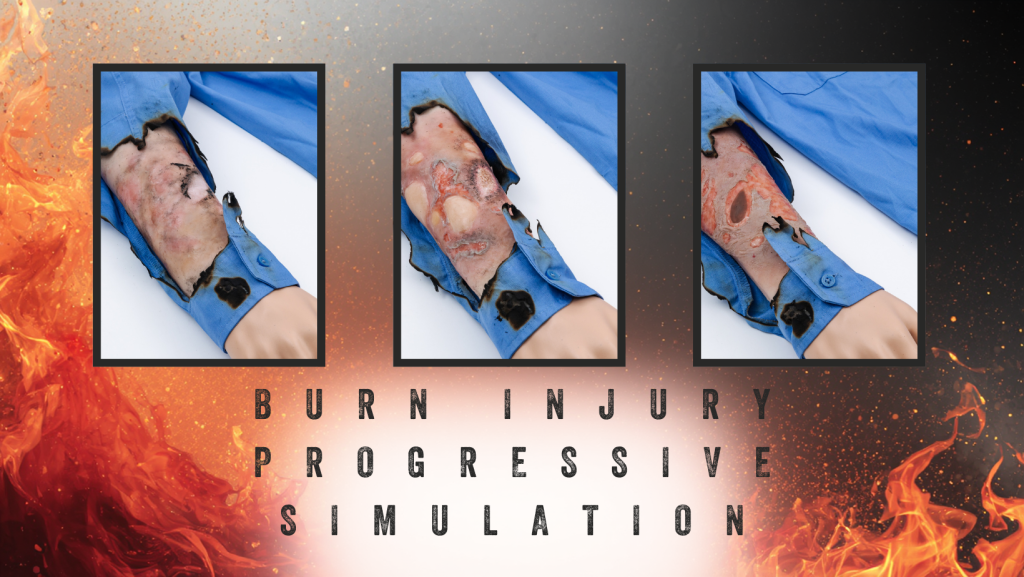
The progression of burns over time
Realistic textures and visual presentation
Multi-patient or mass casualty scenarios
The emotional pressure associated with severe trauma cases
Without realistic exposure, learners may understand burn treatment in theory but lack the practical confidence needed in high-pressure situations.
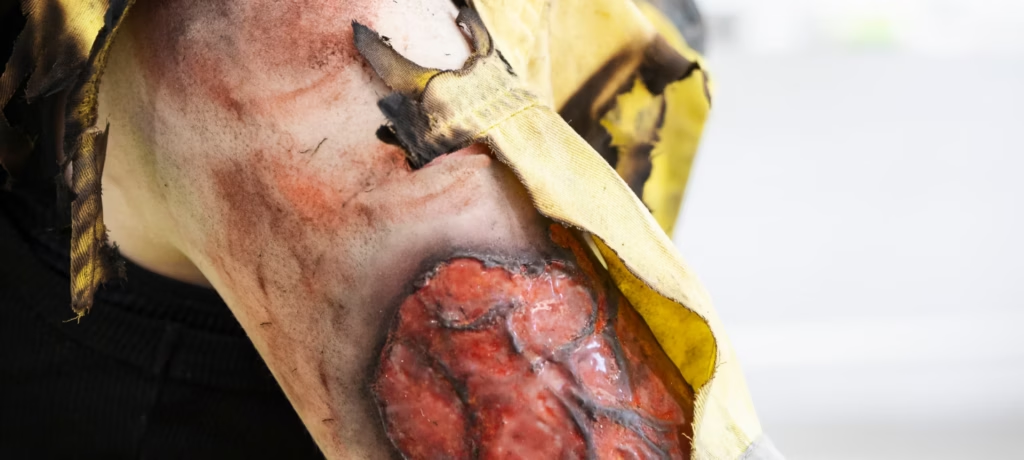
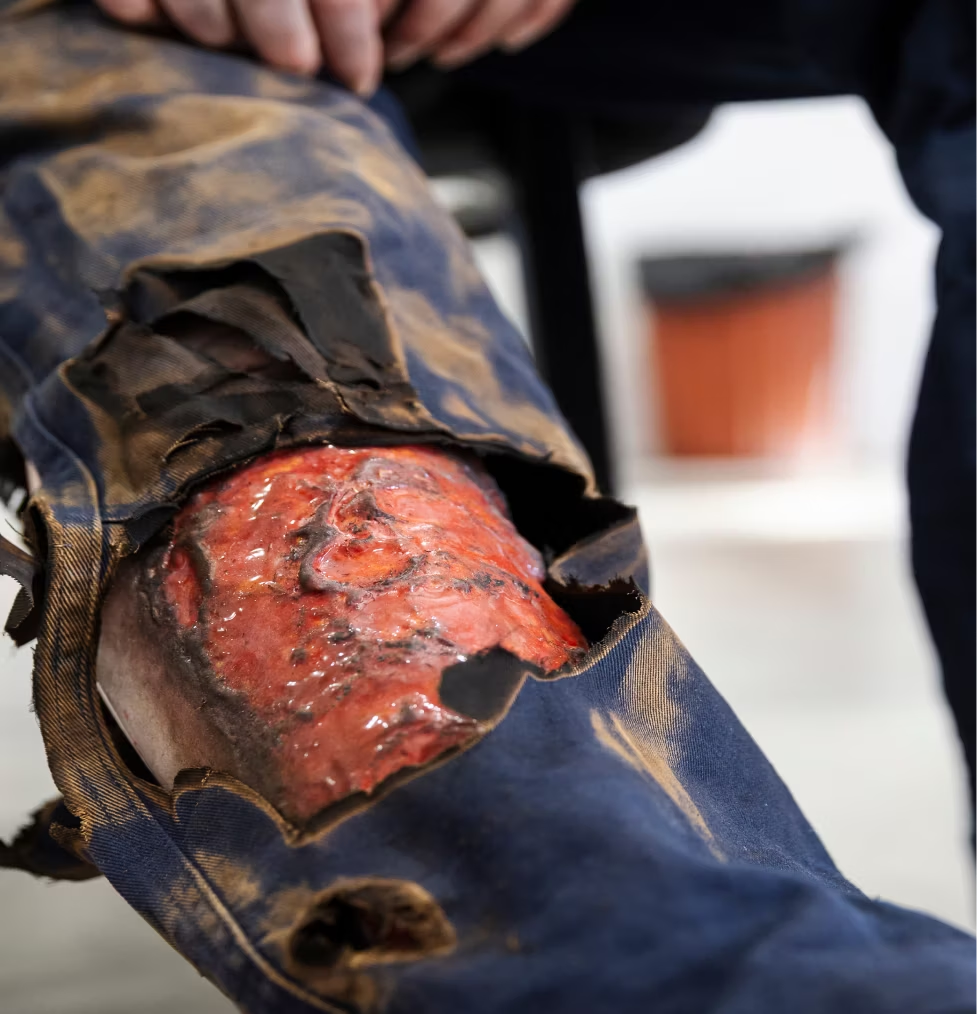
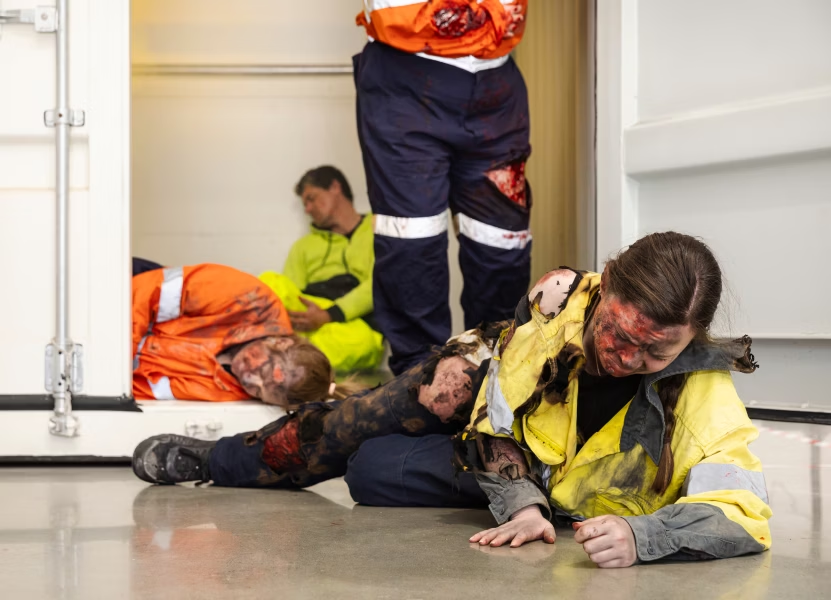
Burn wound real world simulation
Building More Realistic Burn Simulation
TraumaSim’s Progressive Burns Range was developed to create a more immersive and clinically relevant approach to burn injury training. The range is designed to help organisations simulate the visual progression and complexity of burns in a way that improves engagement, realism, and practical learning outcomes.
By combining high-fidelity detailing with wearable and scenario-based applications, the range supports:
Emergency response exercises
Military and tactical medicine training
Hospital and clinical education
Mass casualty simulation scenarios
First aid and industrial safety programs
The goal is simple: create training that better prepares teams for the realities of burn injury response.
Why Realism Matters in Trauma Training
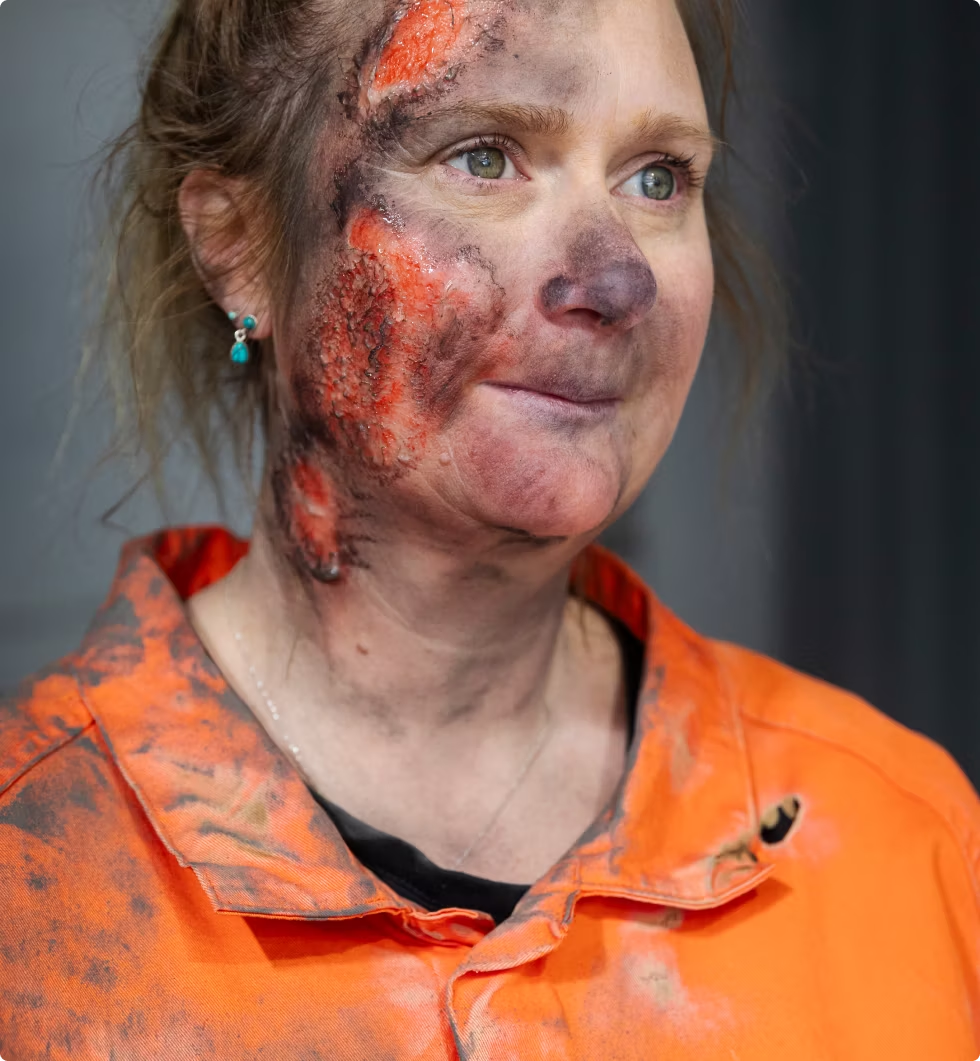
Realistic burn simulations
Why Realism Matters in Trauma Training
High-pressure environments demand more than theoretical knowledge. Responders must make rapid decisions, communicate effectively, and stay composed while managing complex injuries.
Realistic simulation helps bridge the gap between classroom learning and field performance by creating:
Stronger learner engagement
Better knowledge retention
Increased confidence under pressure
Improved assessment and decision-making skills
More immersive scenario participation
For burn injury training specifically, visual realism can significantly improve how learners identify severity, prioritise treatment, and respond to evolving patient conditions.
Supporting Better Training Outcomes
TraumaSim continues to work alongside defence, healthcare, emergency response, and training organisations to develop simulation products that reflect the realities of emergency care. The Progressive Burns Range forms part of a broader commitment to improving realism in trauma education and helping teams prepare for situations where every decision matters.
As simulation training continues to evolve, realistic and adaptable tools will play an increasingly important role in preparing responders for the complexity of real-world emergencies.
Burn Injury Training | Clinical Simulation | Emergency Response Why TraumaSim Developed a New Progressive Burns Range Through Innovation and Clinical Partnership By Belinda Rennie | Operations Manager, TraumaSim First published in the Asia Pacific Fire magazine, part of the MDM Fire Publishing Group, www.mdmpublishing.com Download the Full Article (PDF) Read the Original Magazine Version […]
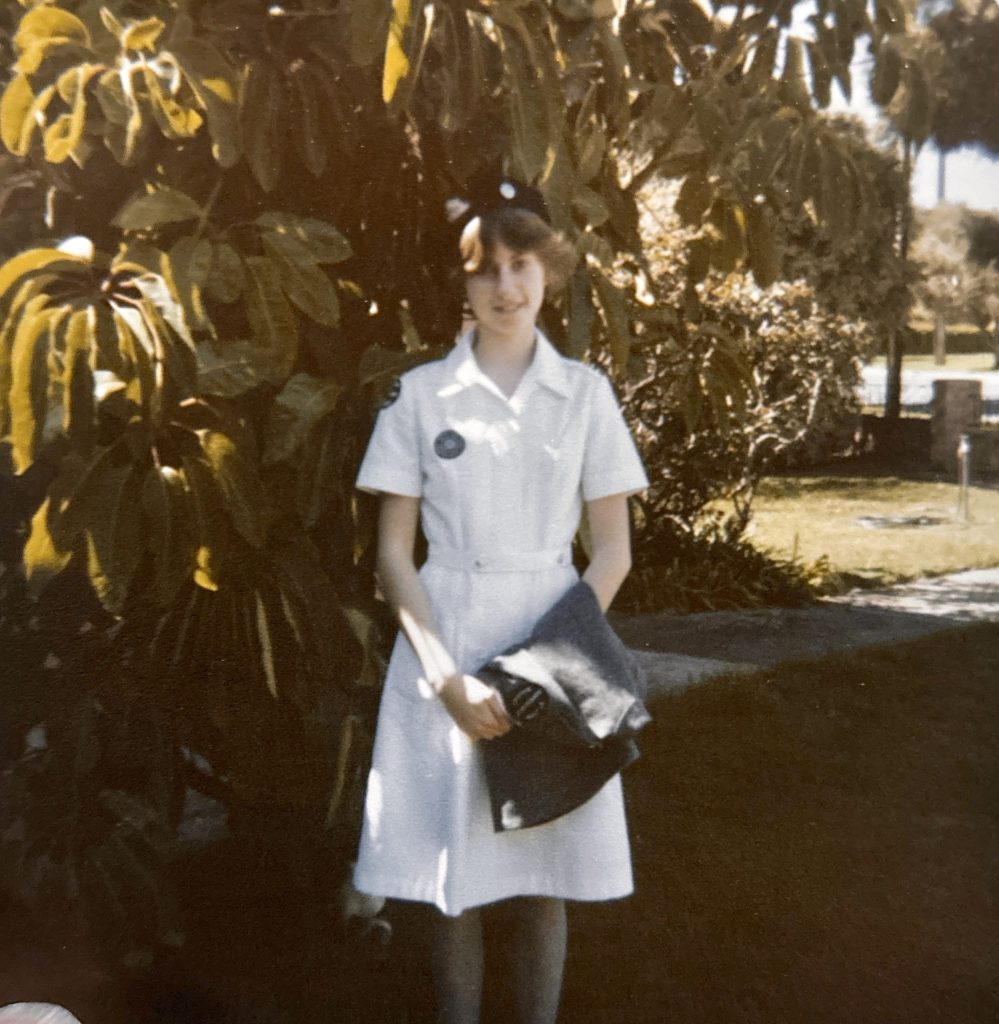
Founder’s Feature: Nola Pearce From St John Cadet to the Founder of TraumaSim TraumaSim founder Nola Pearce didn’t begin her journey with a business plan or a product idea. It began decades earlier, with a teenager in Adelaide who wanted to help people and learn how to save lives. That curiosity — sparked in the […]
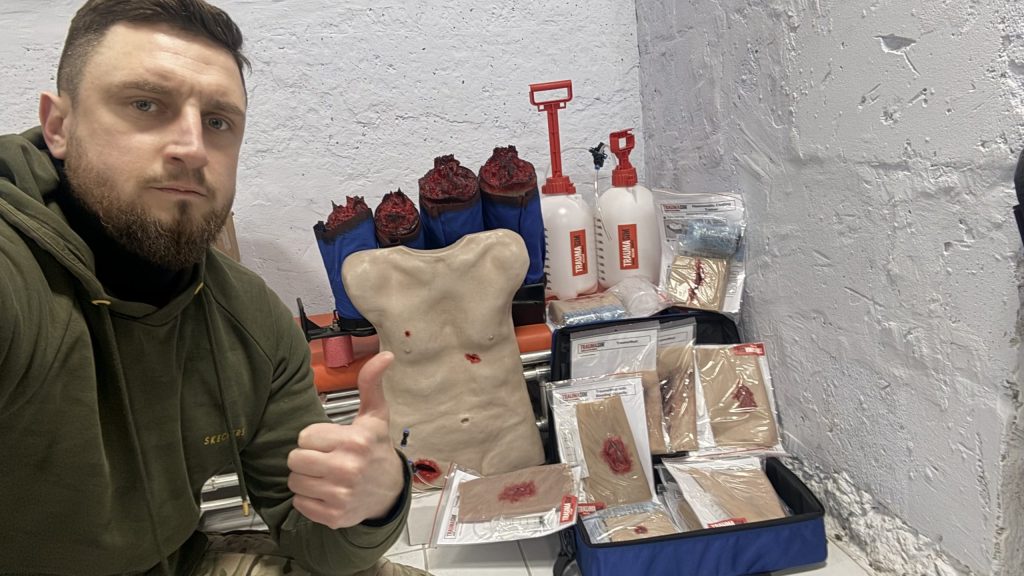
Haemorrhage Control Training Ukraine: Realism That Saves Lives At TraumaSim, our mission is to equip responders with realistic training tools that save lives. Sometimes, fulfilling this mission takes us beyond our labs and offices into experiences that are challenging, humbling, and deeply rewarding. Our recent work supporting haemorrhage control training in Ukraine is a perfect […]
Healthcare Simulation Week 2025 is here—celebrated globally from September 15–19 under the theme United Through Simulation. This week honors the incredible community of professionals who use simulation to improve the safety, effectiveness, and efficiency of healthcare for all. At TraumaSim, we’re proud to be part of this movement. Our mission is to create hyper-realistic simulation products that empower healthcare professionals […]
In 2020, TraumaSim launched the Manniskin—a groundbreaking, silicone overlay designed to convert the traditionally male-featured CPR manikin into a realistic female form. This launch coincided with Restart a Heart Day, a global initiative aimed at raising awareness around sudden cardiac arrest (SCA) and the importance of bystander CPR and AED use. Our motivation was simple: people don’t […]



 All Products