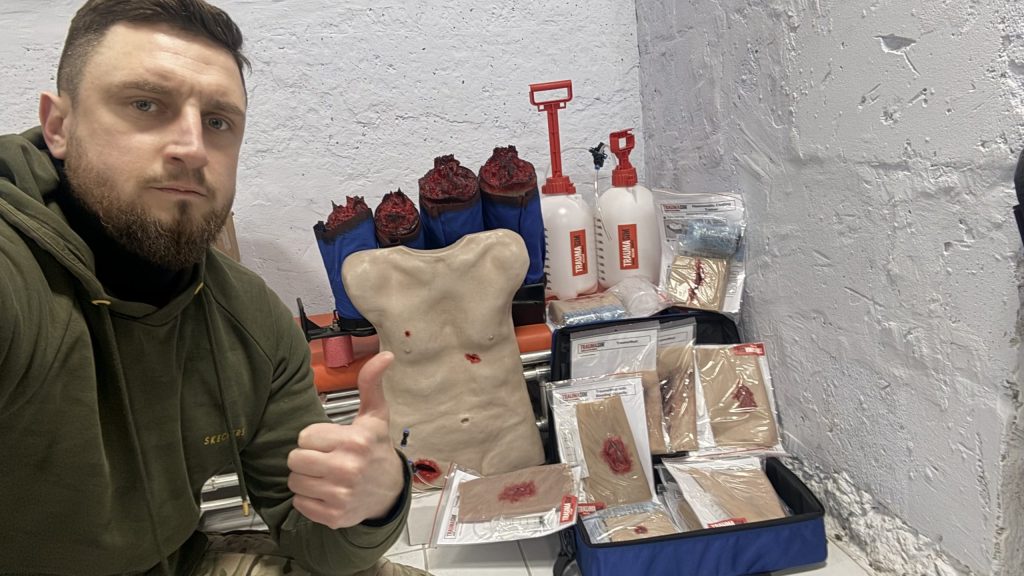
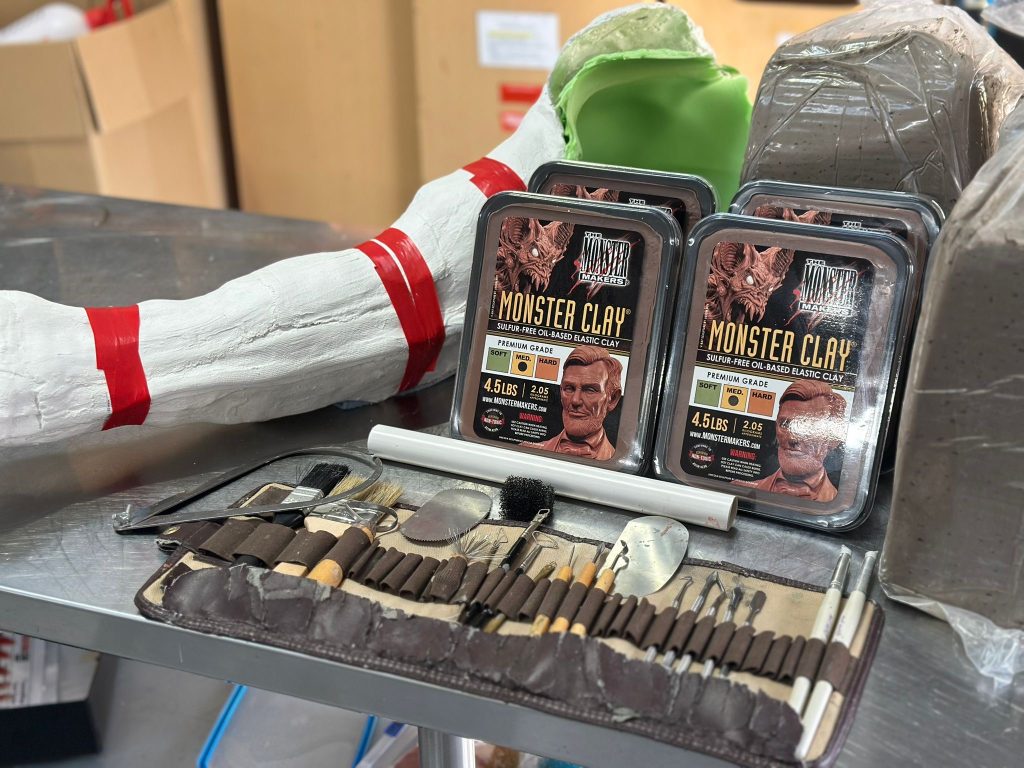
Clinical simulation is an ever-evolving space and the team at TraumaSim feel passionately about educating our future Healthcare professionals. Drawing on our clinical nursing experience and simulation education, we set out to review, revamp and ultimately deliver new clinical simulation tools to the healthcare education arena. Concentrating on specialised wound care and the importance of pre-exposure and in-depth understanding of wound stages, led us to engage with some of the industries most experienced individuals, ensuring we are delivering hyper realistic and effective simulations wounds.
Why do we need simulation tools when educating our future nurses? Not only is pre-exposure important but the education environment itself needs to be an engaging and immersive space. Realistic simulations and effective visuals, assist students to engage more deeply and have an experience that lends itself to improved knowledge retention. Refining clinical skills such as wound assessment, cleaning, dressing and suturing in a controlled environment, allows for confidence building and a space where critical thinking and problem solving can be built. Allowing students to practice on realistic wounds helps learners perfect the technics needed before being faced with vulnerable patients.
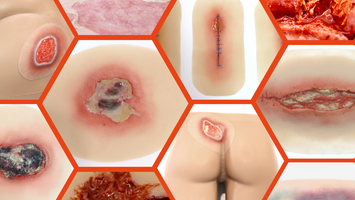
Specialised wound profiling, treatments and advancements within the dressing space have ensured continual development of our healthcare professionals is needed. TraumaSim set out to review our clinical simulation wounds to ensure we are at a standard that matches this evolving space. Using contacts within the medical and specialised wound arena, we sought feedback on our clinical wounds, we asked for critical comments on colours, visuals, wound depth, slough, bone and flap inclusions, infection verse healing and all other factors related to wound assessment. Following their constructive feedback, we began the process of adjusting moulds and painting techniques to match the recommended improvements. We believe we have delivered the most medically realistic simulation wounds on the market.
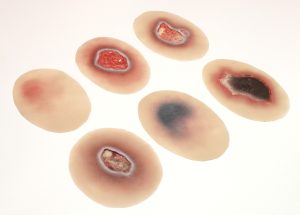
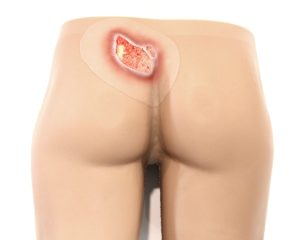
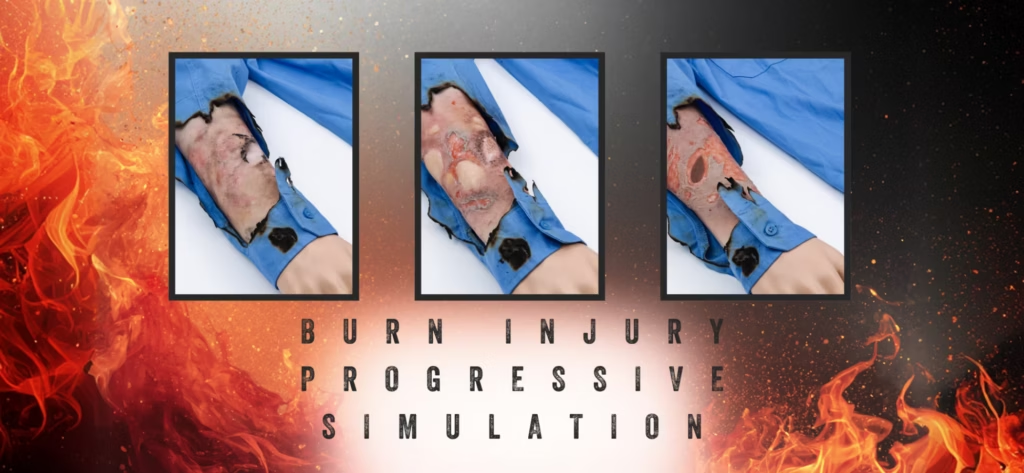
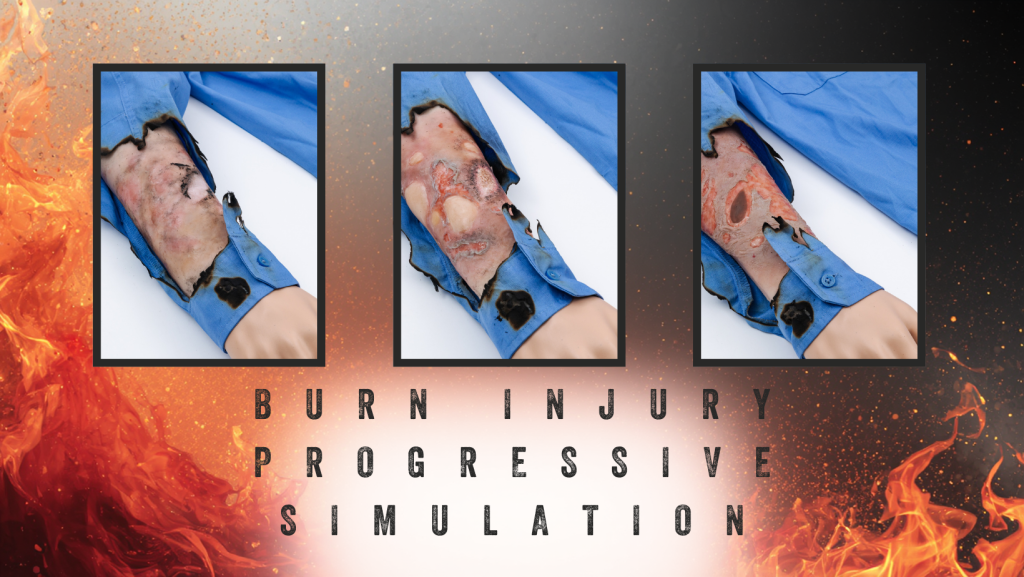
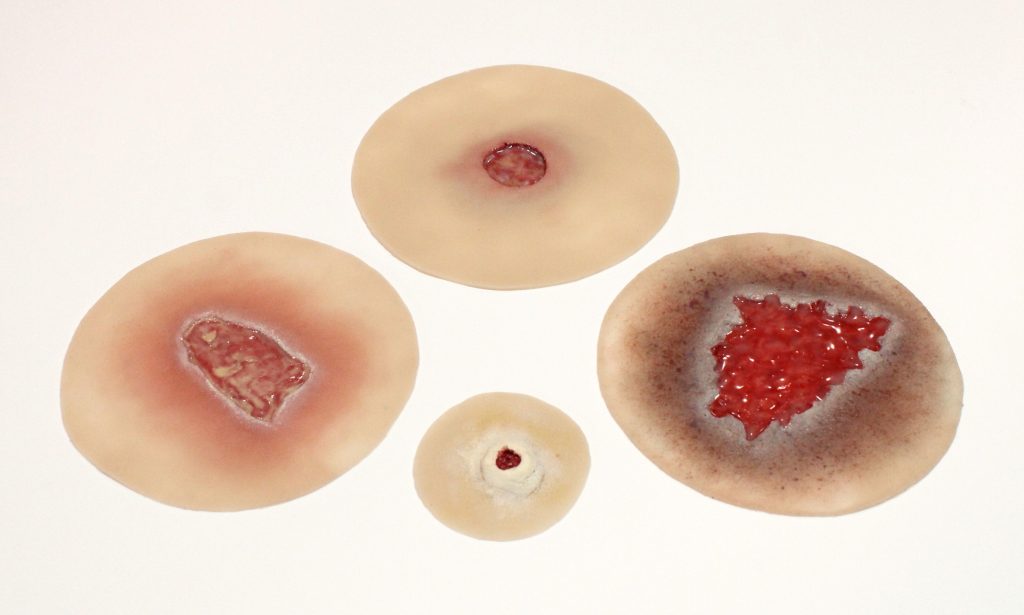
TraumaSim has also moved to deliver specialised wound ranges, allowing for wound progression and student learning across the various stages of wound breakdown and assessment. We now offer Pressure injury, Ulcer and Skin Tear ranges, as well as Surgical and other various clinical wounds to aid in the simulation exposure of training professionals. Valuing diversity and inclusion, TraumaSim offers a myriad of skin tones with the ability to customise the wounds to match your existing manikins’ tones.
*New Ranges Now Available
Silicone Wound Kit – Clinical Full Range
Clinical Pressure Injury Range
Clinical Rash and Hives Range
Clinical Skin Tear Range
Clinical Surgical Range
Clinical Ulcer Range
Clinical Various Range
*NOTE: New images are coming soon
Allowing trainees, the space to perfect their skills and gain the confidence needed to interact with patients and interdisciplinary teams, is a crucial aspect of healthcare education. Fortifying emotional preparedness, within the graphic environment of wounds, is another a vital concept of simulation training. TraumaSim feels you will be able to meet these important goals when combining our clinical simulation wounds into your education space.



 All Products