The Importance of Realistic Training in Combat and Medic Scenarios: Current Warfare vs. Historic Warfare
Warfare has evolved, and with it, the challenges faced by medics on the battlefield. Today’s combat zones require more than previously taught—they demand targeted training to handle the complex and devastating wounds that are often encountered in peer or near-peer warfare. As conflict landscapes shift, the need for realistic, immersive training has never been greater, especially in preparing medics to respond to traumatic injuries in high-stress environments.
In previous conflicts, such as Iraq and Afghanistan, irregular warfare dominated, and the injuries that soldiers and medics encountered reflected that environment. Blast injuries from improvised explosive devices (IEDs), gunshot wounds, and injuries from urban combat were common, and the training aids developed for those scenarios, while effective, are not fully suited to the nature of today’s battles. The current conflict in Ukraine and other peer warfare settings has introduced new challenges, including severe blast injuries, catastrophic hemorrhaging, and complex trauma, necessitating new approaches to training.
Responding to Modern Combat Needs: Realism in Training
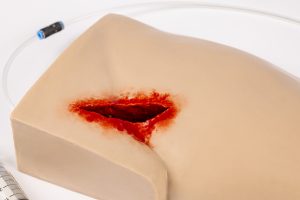
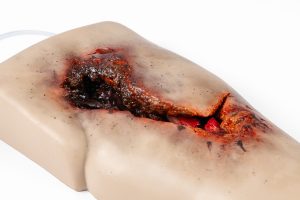
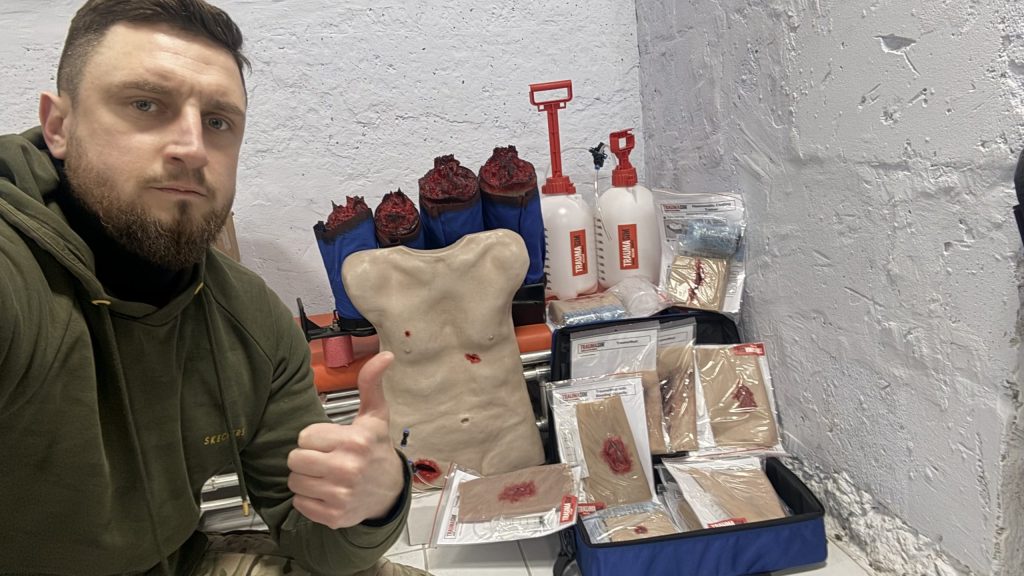
To address these needs, TraumaSim has worked closely with military personnel engaged in the current European conflict, including the Australian Defence Force, Special Operations Medics, and international defence personnel. This collaboration has led to the development of new, highly realistic training aids designed specifically for modern warfare. One such product is the Combat Trauma Thigh, a simulation model with dual bleeding sites, replicating both arterial and venous bleeding. This model incorporates severe blast wound profiles, fractured bone complications, and realistic trauma visuals medics are likely to encounter on the battlefield. By training with these tools, medics can learn to handle the immediate life-threatening challenges associated with haemorrhaging complex injuries.
Another crucial addition is the Combat TraumaMoulage Kit, which includes six wearable simulation wounds designed to mimic the most common and devastating injuries seen in modern combat. The kit features realistic wounds such as shrapnel injuries, evisceration, compound fractures, and neck wounds, all equipped with bleeding capability. Some of these wounds are designed with pockets for wound packing—a vital skill for hemorrhage control in the field. The kit also includes stage blood and extra moulage supplies, allowing medics to enhance the realism and complexity of their training scenarios. These products are designed with a focus on rapid application and reusability, ensuring that medics can continually practice and reinforce the critical skills required for saving lives in combat.
The Shift from Historic to Modern Warfare Training
The injuries medics face today are significantly different from those seen in previous conflicts. However, many of the skills learned in historic warfare, such as hemorrhage control, casualty stabilization, and rapid assessment, remain vital. The key is adapting these skills to the new wound profiles seen in peer warfare—something that realistic training aids make possible. Tools like the Combat Trauma Thigh and the Combat Trauma Moulage Kit offer an unparalleled level of realism, ensuring that medics are exposed to the types of injuries they will most likely face.
This level of authenticity is essential not only for skill-building but for inducing the psychological preparedness needed to perform under the extreme pressure of combat. Training with realistic, uncomfortable simulations allows medics to become desensitized to the chaos and trauma they will encounter, building mental resilience and ensuring that they can maintain composure in high-stress environments. By immersing medics in simulations that mimic the noise, unpredictability, and feel of the battlefield, these tools help cultivate the confidence needed to make split-second decisions that can save lives.
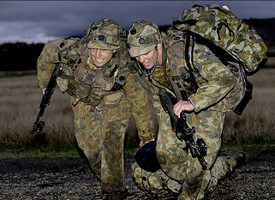
@stephenheathphotography
Preparedness for Modern Conflict: A Lifesaving Mission
At the core of TraumaSim’s mission is one simple goal: to save lives. The development of these new products is driven by the understanding that realistic training, with tools designed to replicate current combat injuries, is critical for preparedness. The Combat Trauma Thigh and Combat Trauma Moulage Kit are not just training aids—they are lifelike representations of the battlefield’s most severe injuries, providing medics with the hands-on experience necessary to lock in muscle memory and hone life-saving skills.
As modern warfare continues to evolve, the need for innovative, realistic training aids will only grow. TraumaSim is committed to supporting military personnel worldwide by developing tools that reflect the complexities of today’s battlefield, helping to ensure that medics are not only trained but equipped with the knowledge and confidence to save lives in the most challenging combat environments.
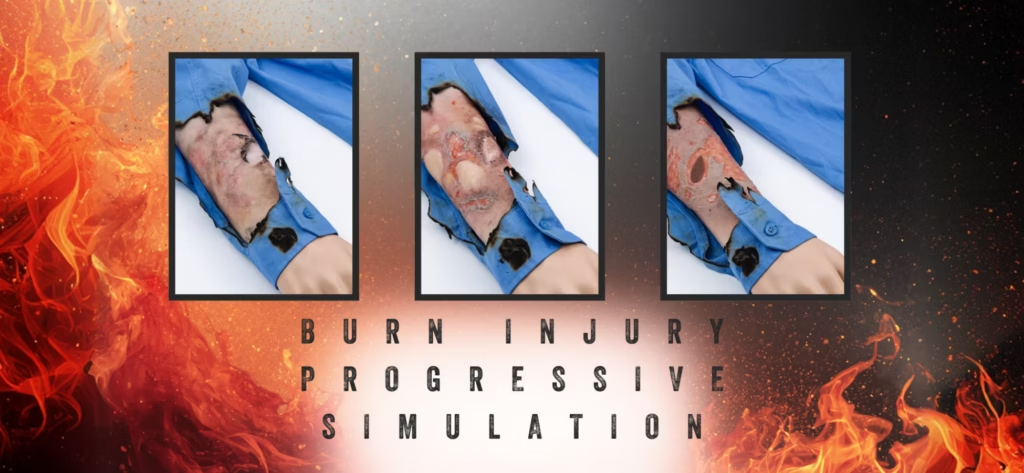
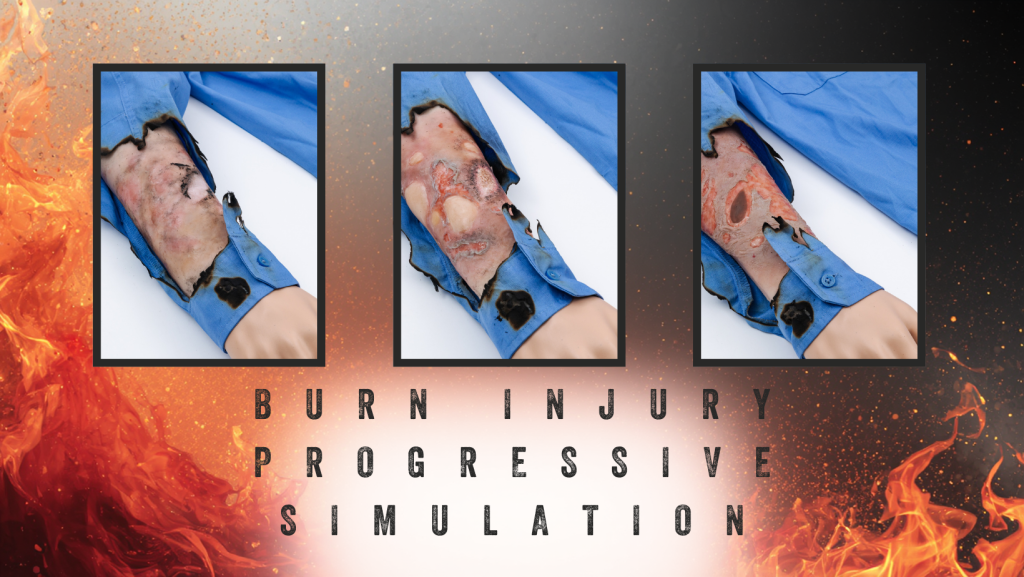
Burn injuries are dynamic, complex and time-sensitive. Yet for years, many training tools have presented them as static wounds, limiting a responder’s ability to recognise deterioration, anticipate complications and manage care over time.
Burn Injury Training | Clinical Simulation | Emergency Response Why TraumaSim Developed a New Progressive Burns Range Through Innovation and Clinical Partnership By Belinda Rennie | Operations Manager, TraumaSim First published in the Asia Pacific Fire magazine, part of the MDM Fire Publishing Group, www.mdmpublishing.com Download the Full Article (PDF) Read the Original Magazine Version […]
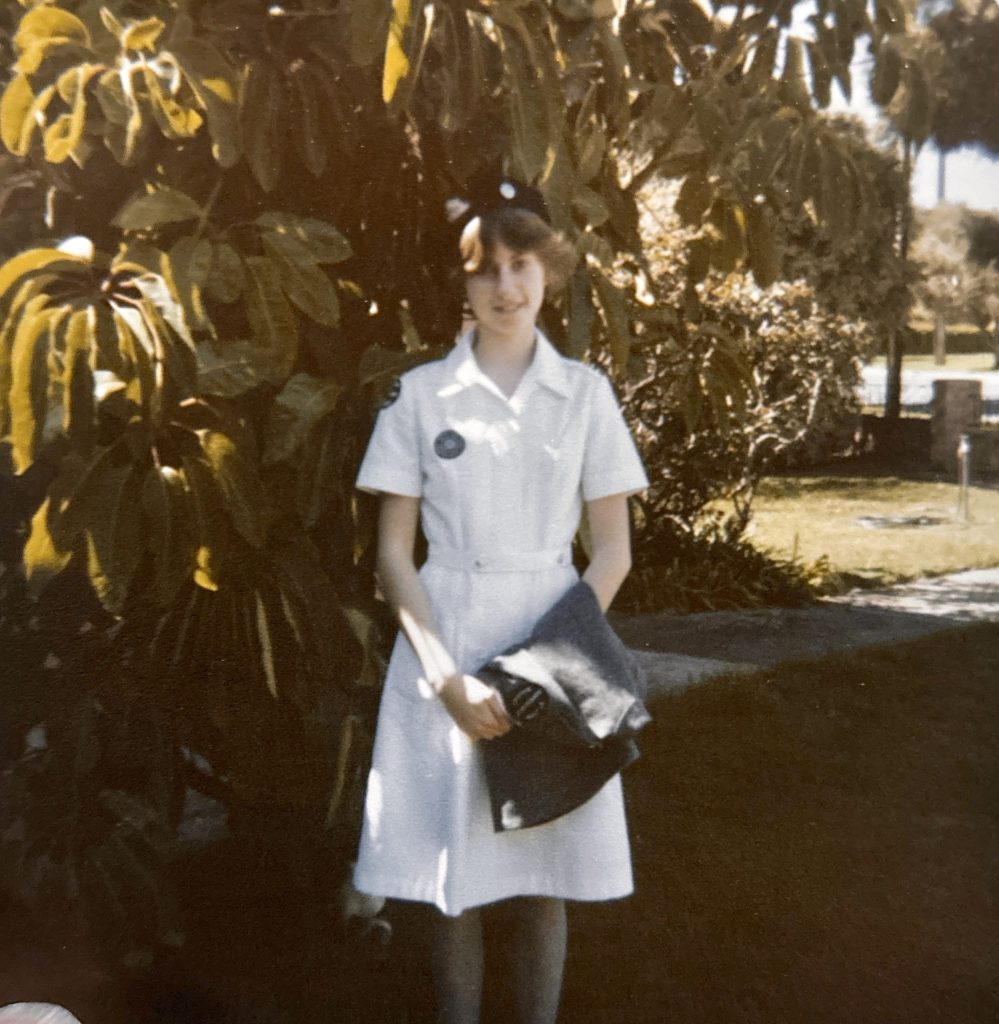
Founder’s Feature: Nola Pearce From St John Cadet to the Founder of TraumaSim TraumaSim founder Nola Pearce didn’t begin her journey with a business plan or a product idea. It began decades earlier, with a teenager in Adelaide who wanted to help people and learn how to save lives. That curiosity — sparked in the […]
Haemorrhage Control Training Ukraine: Realism That Saves Lives At TraumaSim, our mission is to equip responders with realistic training tools that save lives. Sometimes, fulfilling this mission takes us beyond our labs and offices into experiences that are challenging, humbling, and deeply rewarding. Our recent work supporting haemorrhage control training in Ukraine is a perfect […]
Healthcare Simulation Week 2025 is here—celebrated globally from September 15–19 under the theme United Through Simulation. This week honors the incredible community of professionals who use simulation to improve the safety, effectiveness, and efficiency of healthcare for all. At TraumaSim, we’re proud to be part of this movement. Our mission is to create hyper-realistic simulation products that empower healthcare professionals […]



 All Products