Healthcare Simulation Week 2025 is here—celebrated globally from September 15–19 under the theme United Through Simulation. This week honors the incredible community of professionals who use simulation to improve the safety, effectiveness, and efficiency of healthcare for all.
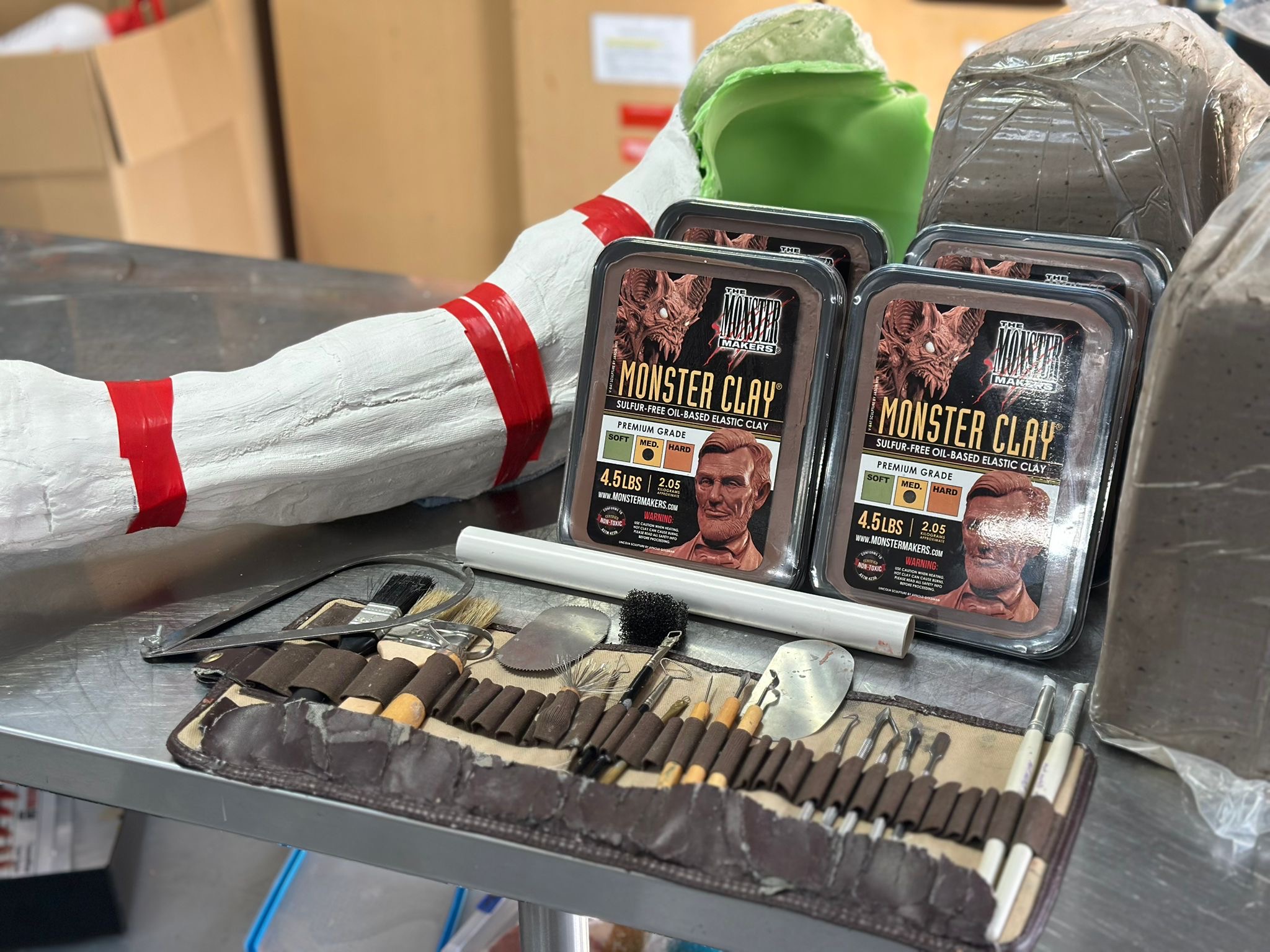
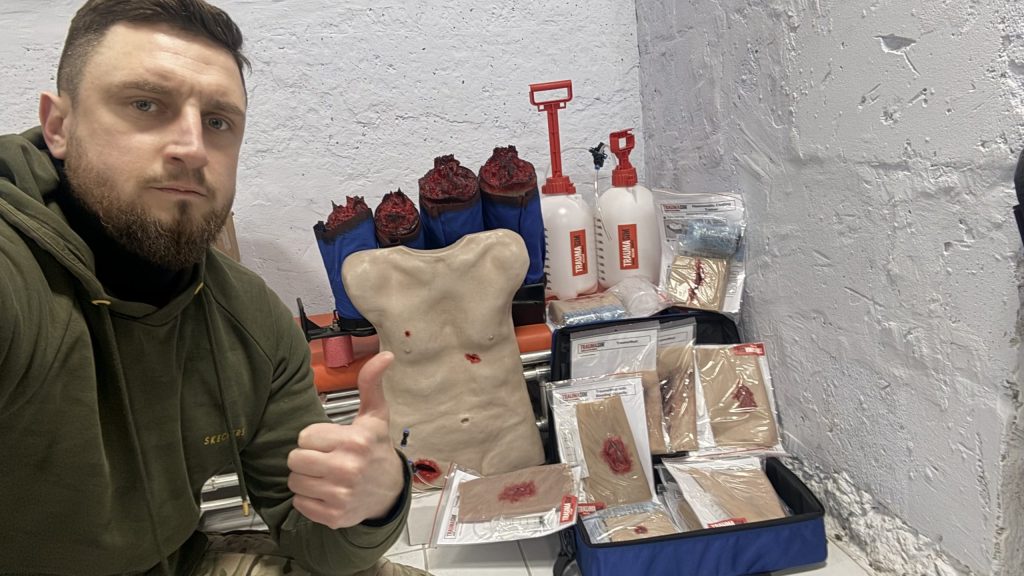
At TraumaSim, we’re proud to be part of this movement. Our mission is to create hyper-realistic simulation products that empower healthcare professionals to train with confidence and compassion. Behind every wound, limb, and trauma model lies a creative decision: should we lifecast from a real human body, or sculpt from scratch?
Let’s explore why we choose one method over the other—and how both contribute to the realism and impact of simulation-based education.
Lifecasting: Capturing the Human Experience
Lifecasting involves creating a mold directly from a human body. This technique allows us to replicate:
- Skin pores, wrinkles, and natural asymmetries
- Veins, scars, and subtle textures
- The visual realism of aged skin, joint contours, and muscle tone
Lifecasting is ideal for high-fidelity simulations where authenticity matters most—such as replicating the look and feel of real limbs, hands, and faces used in emergency response, aged care, and clinical training environments.

Sculpting: Designing for Purpose and Flexibility
Sculpting is a manual or digital process where our artists build forms from scratch. It offers:
- Creative freedom to design conceptual injuries
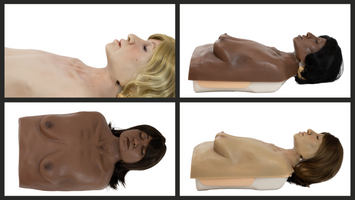
- Flexibility to represent a range of conditions or demographics
- Scalability for different training scenarios
Sculpting is perfect when we need to customize features, exaggerate injuries for clarity, or create composite anatomy that doesn’t exist naturally.

Why We Choose One Over the Other
Lifecasting: Pros & Cons
Pros:
- ✅ Unmatched realism
- ✅ Efficient capture of surface detail
- ✅ Anatomical consistency across products
Cons:
- ❌ Limited flexibility (bound by the subject’s anatomy)
- ❌ Requires live models and ethical protocols
- ❌ Post-processing often needed
Sculpting: Pros & Cons
Pros:
- ✅ Creative control and adaptability
- ✅ Scalable across ages, ethnicities, and conditions
- ✅ No live model required
Cons:
- ❌ Time-intensive
- ❌ May lack the organic imperfections of lifecasting
United Through Simulation—And Through Craftsmanship
As we celebrate Healthcare Simulation Week 2025, we recognize the artistry, science, and empathy that go into every TraumaSim product. Whether lifecasting a hand to show the mottling of shock or sculpting a compound fracture for battlefield training, our goal remains the same: to create tools that help save lives.
Since its inception in 2017, Healthcare Simulation Week has grown into a unifying moment for the international simulation community. It’s a time to spotlight innovation, collaboration, and the impact of simulation in clinical learning and patient outcomes.
At TraumaSim, we don’t just make models.
We make moments—moments that prepare, educate, and empower.



 All Products