Burn Injury Simulation Training: Why TraumaSim Developed a Progressive Burns Range
By Belinda Rennie | Operations Manager, TraumaSim
Burn injuries are among the most challenging and confronting medical emergencies responders can face. From initial assessment and pain management to airway concerns, infection risk, and fluid resuscitation, burn care requires fast decision-making under pressure and a high level of clinical confidence.
Yet despite the complexity of burn injuries, many traditional training environments still rely on static visuals, textbook learning, or low-fidelity simulation that fails to reflect how burns truly present and evolve in real-life scenarios.
That gap in realism is exactly why TraumaSim developed the Progressive Burns Range.
Share this Article:
The Challenge with Traditional Burn Training
Burn injuries are dynamic. They change over time, vary in severity, and can quickly impact multiple systems within the body. For emergency responders, military medics, healthcare professionals, and training organisations, recognising these changes early is critical.
Traditional simulation methods often struggle to recreate:
Different burn depths and severities
The progression of burns over time
Realistic textures and visual presentation
Multi-patient or mass casualty scenarios
The emotional pressure associated with severe trauma cases
Without realistic exposure, learners may understand burn treatment in theory but lack the practical confidence needed in high-pressure situations.
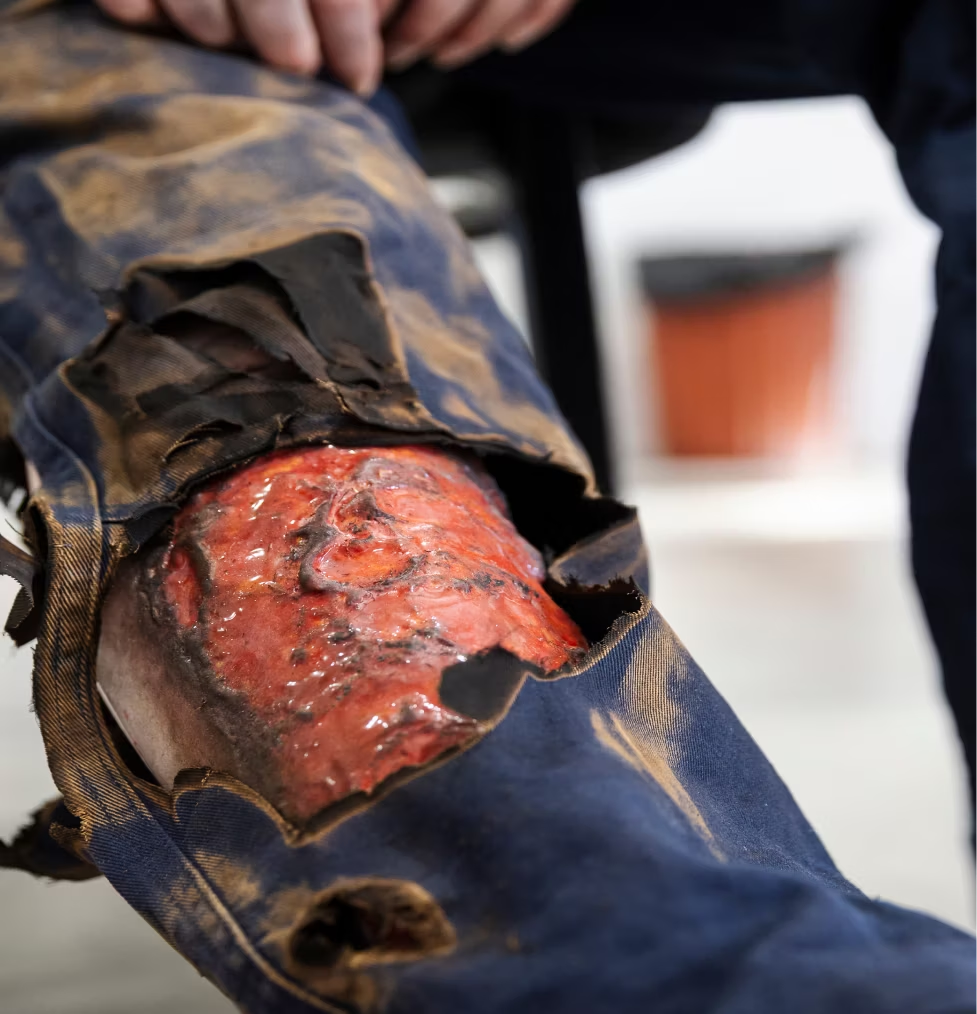
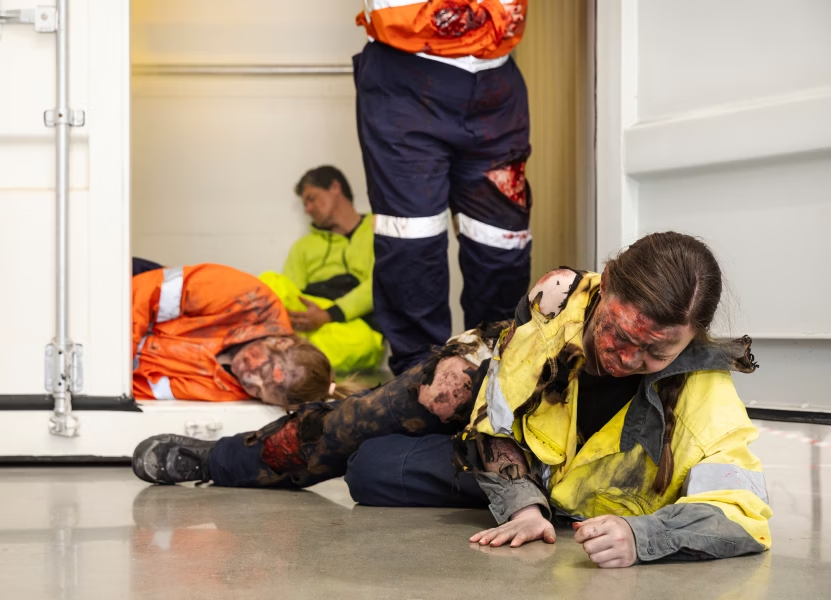
Burn wound real world simulation
Building More Realistic Burn Simulation
TraumaSim’s Progressive Burns Range was developed to create a more immersive and clinically relevant approach to burn injury training. The range is designed to help organisations simulate the visual progression and complexity of burns in a way that improves engagement, realism, and practical learning outcomes.
By combining high-fidelity detailing with wearable and scenario-based applications, the range supports:
Emergency response exercises
Military and tactical medicine training
Hospital and clinical education
Mass casualty simulation scenarios
First aid and industrial safety programs
The goal is simple: create training that better prepares teams for the realities of burn injury response.
Why Realism Matters in Trauma Training
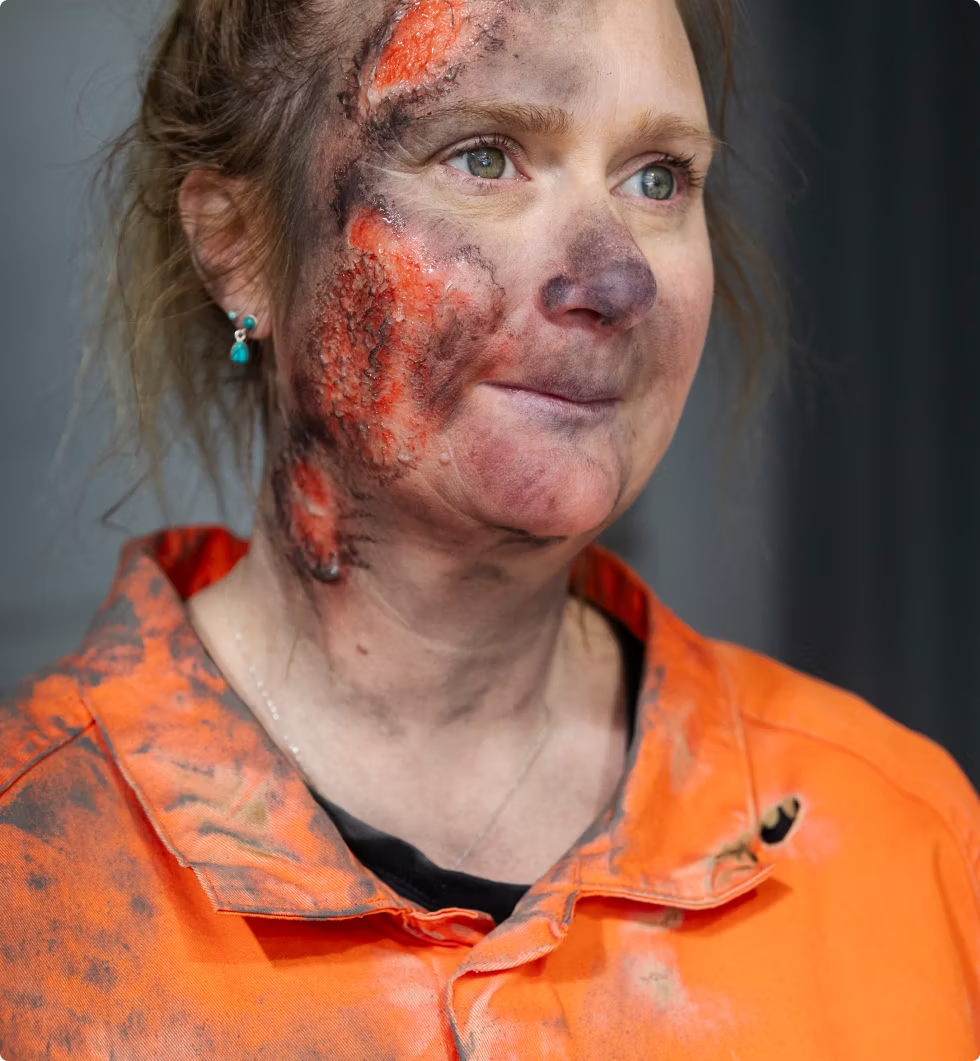
Realistic burn simulations
Why Realism Matters in Trauma Training
High-pressure environments demand more than theoretical knowledge. Responders must make rapid decisions, communicate effectively, and stay composed while managing complex injuries.
Realistic simulation helps bridge the gap between classroom learning and field performance by creating:
Stronger learner engagement
Better knowledge retention
Increased confidence under pressure
Improved assessment and decision-making skills
More immersive scenario participation
For burn injury training specifically, visual realism can significantly improve how learners identify severity, prioritise treatment, and respond to evolving patient conditions.
Supporting Better Training Outcomes
TraumaSim continues to work alongside defence, healthcare, emergency response, and training organisations to develop simulation products that reflect the realities of emergency care. The Progressive Burns Range forms part of a broader commitment to improving realism in trauma education and helping teams prepare for situations where every decision matters.
As simulation training continues to evolve, realistic and adaptable tools will play an increasingly important role in preparing responders for the complexity of real-world emergencies.
Burn Injury Training | Clinical Simulation | Emergency Response Why TraumaSim Developed a New Progressive Burns Range Through Innovation and Clinical Partnership By Belinda Rennie | Operations Manager, TraumaSim First published in the Asia Pacific Fire magazine, part of the MDM Fire Publishing Group, www.mdmpublishing.com Download the Full Article (PDF) Read the Original Magazine Version […]
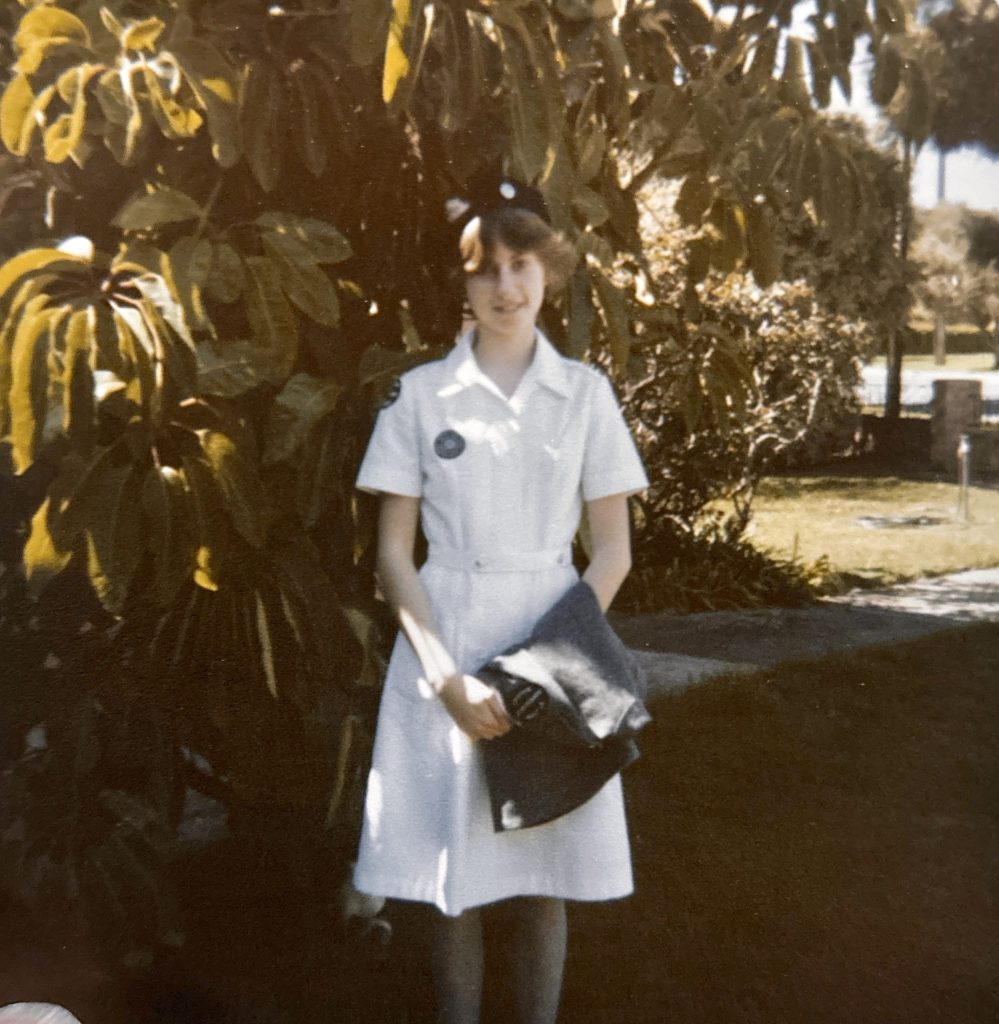
Founder’s Feature: Nola Pearce From St John Cadet to the Founder of TraumaSim TraumaSim founder Nola Pearce didn’t begin her journey with a business plan or a product idea. It began decades earlier, with a teenager in Adelaide who wanted to help people and learn how to save lives. That curiosity — sparked in the […]
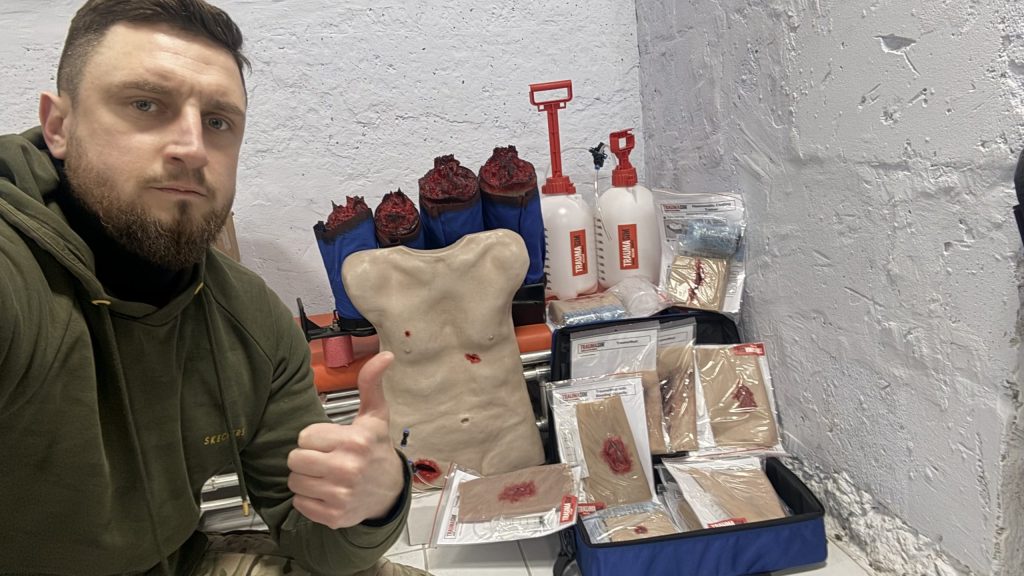
Haemorrhage Control Training Ukraine: Realism That Saves Lives At TraumaSim, our mission is to equip responders with realistic training tools that save lives. Sometimes, fulfilling this mission takes us beyond our labs and offices into experiences that are challenging, humbling, and deeply rewarding. Our recent work supporting haemorrhage control training in Ukraine is a perfect […]
Healthcare Simulation Week 2025 is here—celebrated globally from September 15–19 under the theme United Through Simulation. This week honors the incredible community of professionals who use simulation to improve the safety, effectiveness, and efficiency of healthcare for all. At TraumaSim, we’re proud to be part of this movement. Our mission is to create hyper-realistic simulation products that empower healthcare professionals […]
In 2020, TraumaSim launched the Manniskin—a groundbreaking, silicone overlay designed to convert the traditionally male-featured CPR manikin into a realistic female form. This launch coincided with Restart a Heart Day, a global initiative aimed at raising awareness around sudden cardiac arrest (SCA) and the importance of bystander CPR and AED use. Our motivation was simple: people don’t […]
Burn injuries are dynamic, complex and time-sensitive. Yet for years, many training tools have presented them as static wounds, limiting a responder’s ability to recognise deterioration, anticipate complications and manage care over time.
TraumaSim developed its new Progressive Burns Range to close that training gap. Created in collaboration with world-renowned burns specialist Professor Fiona Wood AO, the range was designed to better reflect how burns truly behave in clinical, emergency, defence and industrial settings.
The result is a more realistic and clinically informed approach to burn injury simulation training — one that helps responders move beyond simple recognition and build stronger decision-making under pressure.
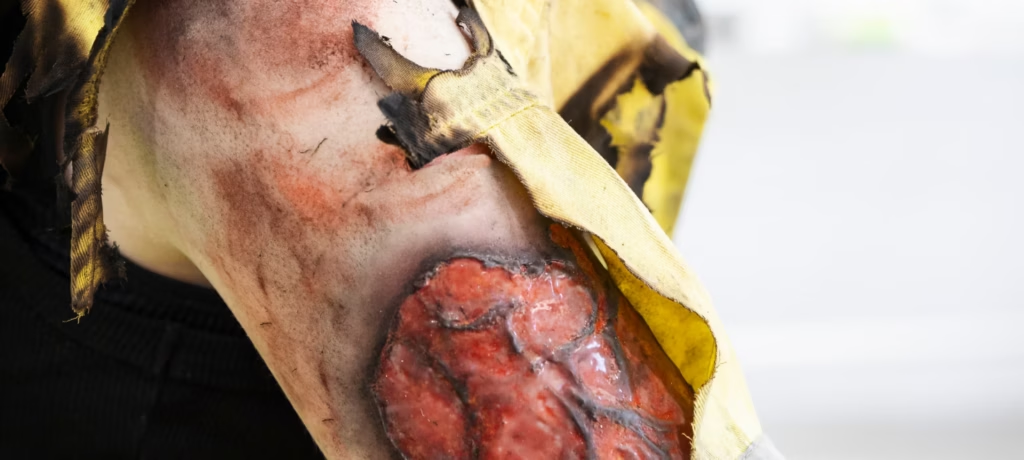
Realistic burn wearable used in trauma simulation training to replicate real-world burn injury patterns.
The Training Gap That Could No Longer Be Ignored
Burn injuries remain one of the most confronting forms of trauma encountered across emergency services, healthcare and industrial response environments. Unlike many other injuries, burns evolve over minutes, hours and days. What appears manageable at first can deepen, blister, swell or become infected if not identified and treated appropriately.
Despite this, traditional burn moulage and simulation tools often present a single snapshot of injury rather than the progression of tissue damage over time. This creates a disconnect between what responders train for and what they are likely to encounter in real incidents.
TraumaSim recognised that when training tools do not evolve, decision-making can become static too. Responders need to understand not only what a burn looks like in the moment, but what it may become.
Why Realism in Burn Simulation Needed to Evolve
Realism has always been central to TraumaSim’s approach. But in burn care, realism is about more than lifelike appearance. It is about representing progression, pathology and the clinical consequences of early decisions.
Several key drivers shaped the development of the Progressive Burns Range:
Burns evolve, so training must evolve too. Responders need to see how burns change over time, not just at the point of injury.
Responders need future-focused training. In remote, industrial, defence and offshore settings, care may be prolonged before specialist intervention is available.
Static training leads to static thinking. Progressive simulation encourages anticipation, reassessment and forward planning.
Psychological readiness matters. Exposure to realistic burn injuries in training can reduce hesitation and improve performance during real emergencies.
Better training supports better outcomes. Early recognition and treatment decisions can directly affect infection risk, long-term healing and recovery.
A Partnership Grounded in Clinical Excellence
To ensure clinical accuracy, TraumaSim worked closely with Professor Fiona Wood AO, one of the world’s leading authorities in burn care. Her expertise in burn pathology, treatment and tissue regeneration played an important role in shaping the range.
This collaboration helped ensure that the visual, tactile and anatomical features of the burns — as well as the sequence of their progression — reflected the realities of real-world burn injury patterns.
Rather than creating simulation products for appearance alone, TraumaSim focused on developing training tools aligned with clinical reasoning, early intervention and improved responder capability.
“My consultations with TraumaSim have enabled the creation of high-fidelity burns training resources that reflect the challenges of real-world care. Such realism drives deeper learning and leads to better outcomes for those suffering burn injuries.”
— Professor Fiona Wood AO
From “What It Looks Like Now” to “What It Will Become”
Traditional moulage training often teaches responders to manage the wound they can see. Progressive burn training teaches them to think beyond the initial presentation.
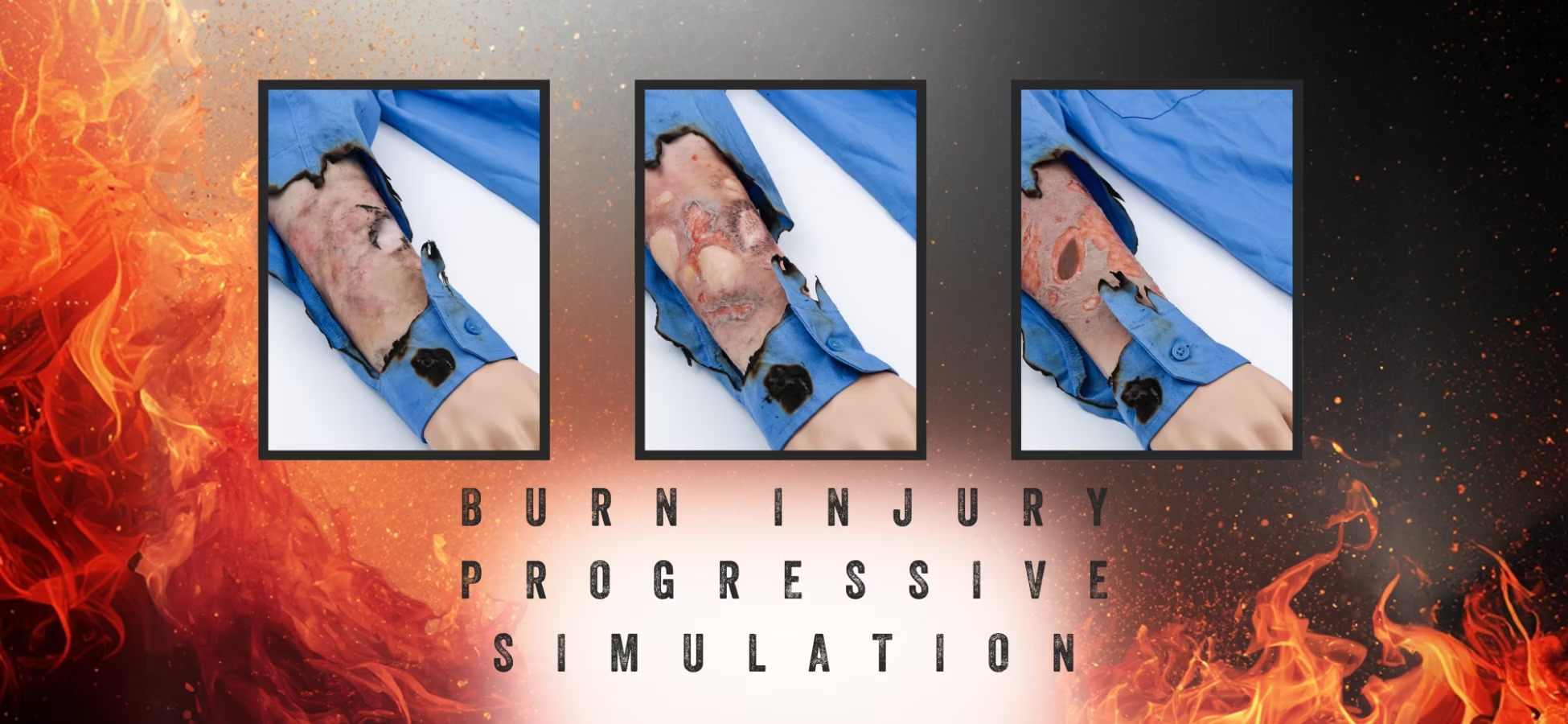
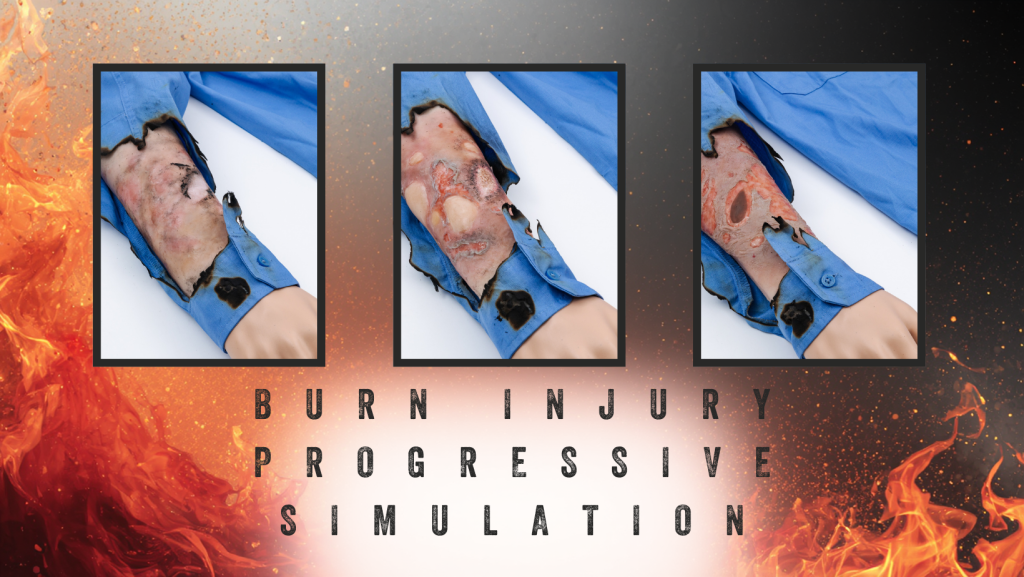
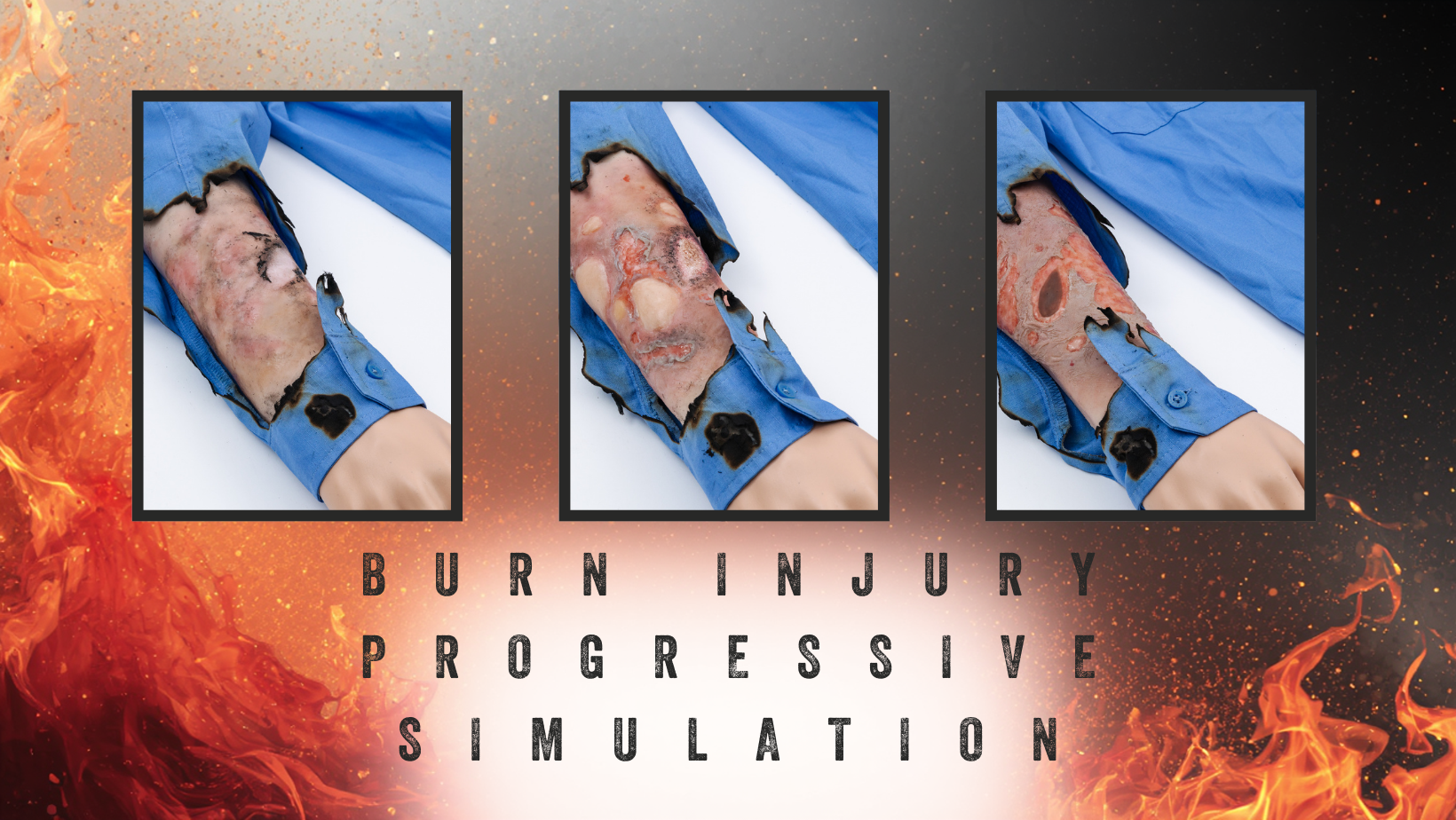
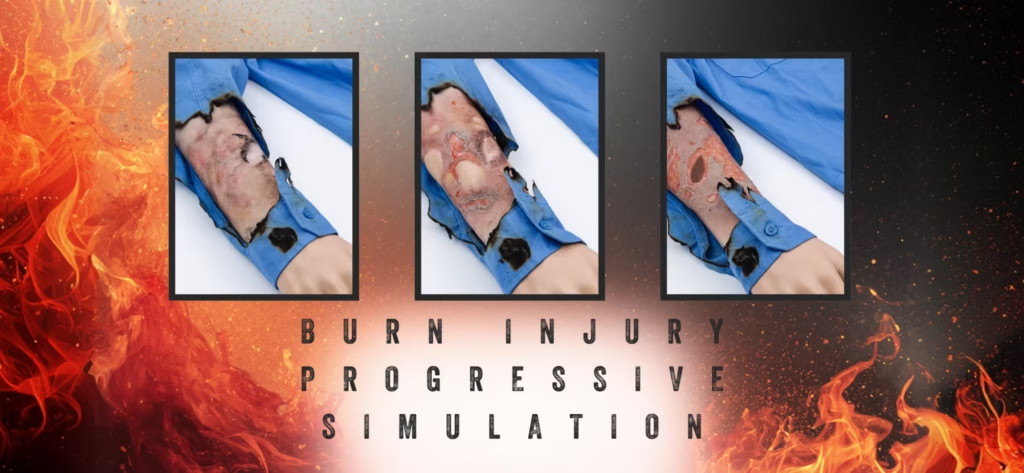
Progressive burn wearable demonstrating how burn injuries evolve during simulation training scenarios.
Interested in the Progressive Burns Range?
TraumaSim’s Progressive Burns Range was developed to help responders train for how burn injuries evolve in real clinical and emergency environments.
The TraumaSim Progressive Burns Range demonstrates the changing stages of burn injury, from the initial trauma through to inflammatory response and the potential onset of infection or tissue loss. This helps responders understand why reassessment matters, why injuries can worsen and why time-critical decisions are so important.
This staged training approach supports:
greater understanding of burn depth
improved diagnostic accuracy
stronger prioritisation during multi-casualty incidents
better preparation for prolonged care scenarios
reinforcement of reassessment over time
Meeting the Needs of a Changing Operational Landscape
Across the Asia-Pacific region, responders face a broad range of burn hazards, including structural fires, bushfires, industrial accidents, hot-fluid injuries, electrical burns and chemical exposures.
In many of these environments, responders may be managing casualties in remote, resource-constrained or delayed-evacuation conditions. That means training must prepare teams not only for initial treatment, but for monitoring and managing deterioration over time.
The Progressive Burns Range was designed to support training for:
frontline emergency responders
advanced clinical teams
industrial emergency response units
defence and military medics
remote and austere environment responders
The End Result: Better Prepared Responders for Real Burn Care
The Progressive Burns Range represents a step forward in how burn injuries are taught, understood and managed. Instead of simplifying burns into a single stage, TraumaSim has introduced a dynamic, clinically informed training approach that mirrors the true behaviour of these injuries.
This supports responders in developing:
stronger clinical reasoning
better decision-making under pressure
improved confidence in recognising deterioration
clearer communication with teams and clinicians
a deeper understanding of how early actions influence outcomes
Burn injuries are among the most demanding traumas a responder will encounter. By creating a training system that respects their complexity, TraumaSim helps ensure responders are trained not just to react, but to anticipate.
Explore TraumaSim’s Burns Training Solutions
TraumaSim develops realistic trauma simulation products designed to improve responder capability, strengthen clinical decision-making and support better outcomes across emergency services, healthcare, defence and industry.
To learn more about our simulation ranges, training applications or product capabilities, visit the TraumaSim website or contact the team directly.
Belinda Rennie is the Operations Manager of TraumaSim, an Australian leader in realistic trauma simulation for emergency services, healthcare, defence and industrial response teams. With more than a decade of experience driving innovation in simulation-based training, Belinda is dedicated to improving responder capability and patient outcomes through realistic, evidence-driven training solutions.
Burn injuries are dynamic, complex and time-sensitive. Yet for years, many training tools have presented them as static wounds, limiting a responder’s ability to recognise deterioration, anticipate complications and manage care over time.
Founder’s Feature: Nola Pearce From St John Cadet to the Founder of TraumaSim TraumaSim founder Nola Pearce didn’t begin her journey with a business plan or a product idea. It began decades earlier, with a teenager in Adelaide who wanted to help people and learn how to save lives. That curiosity — sparked in the […]
Haemorrhage Control Training Ukraine: Realism That Saves Lives At TraumaSim, our mission is to equip responders with realistic training tools that save lives. Sometimes, fulfilling this mission takes us beyond our labs and offices into experiences that are challenging, humbling, and deeply rewarding. Our recent work supporting haemorrhage control training in Ukraine is a perfect […]
Healthcare Simulation Week 2025 is here—celebrated globally from September 15–19 under the theme United Through Simulation. This week honors the incredible community of professionals who use simulation to improve the safety, effectiveness, and efficiency of healthcare for all. At TraumaSim, we’re proud to be part of this movement. Our mission is to create hyper-realistic simulation products that empower healthcare professionals […]
In 2020, TraumaSim launched the Manniskin—a groundbreaking, silicone overlay designed to convert the traditionally male-featured CPR manikin into a realistic female form. This launch coincided with Restart a Heart Day, a global initiative aimed at raising awareness around sudden cardiac arrest (SCA) and the importance of bystander CPR and AED use. Our motivation was simple: people don’t […]
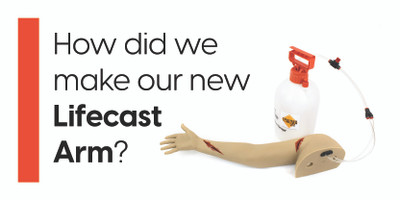
The development of our Life Cast Arm Haemorrhage Control Simulator (HCS)
By Belinda Rennie | Operations Manager, TraumaSim
Share this Article:
So, what is it and what does it do?
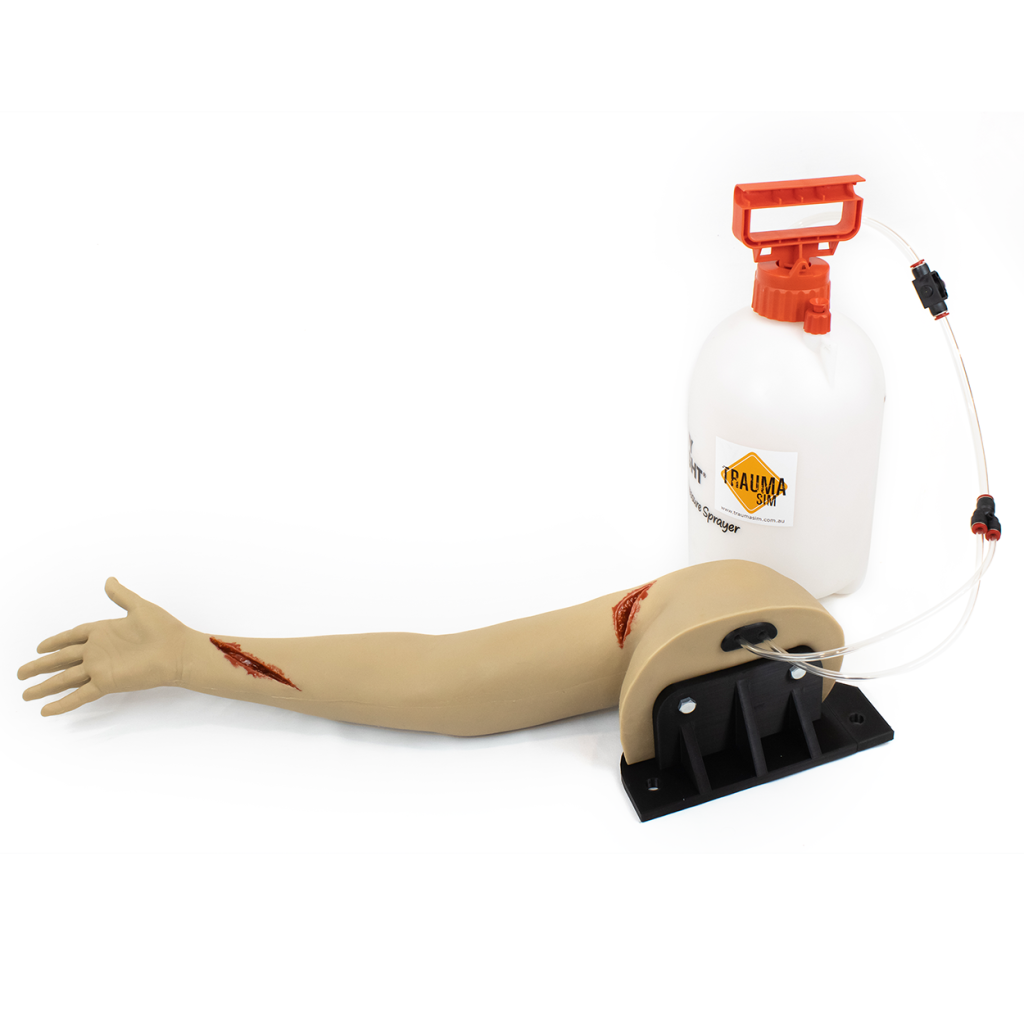
In 2021, the team at TraumaSim Group took on the challenge to design & manufacture a brand new Haemorrhage Control Simulator as a lifecast arm. We combined our knowledge of haemorrhage control and silicone artistry and are proud to have developed a product that reflects the medical realism we are known for.
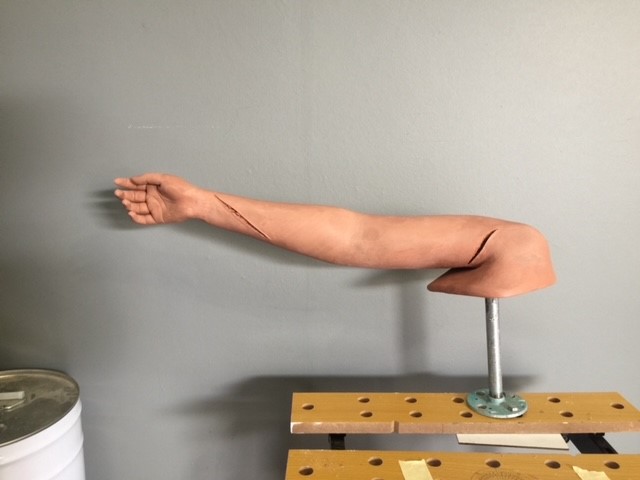
The Lifecast Arm features 2 x wounds being a junctional laceration near the armpit that is ideal for wound packing and a laceration across the radial artery on the wrist that can be used for tourniquet application – being the ideal combined unit for bleeding control training!
Wound packing and applying a tourniquet to an injured person are both physically and mentally traumatic for any First Responder. Knowing that they are inflicting further pain on the casualty in order to save their life can make application in a real life situation extremely difficult. Hence the haemorrhage control simulator that enables students to practise repeatedly in a safe environment.
This device also teaches first aiders that, in order to save a life, two visually similar wounds must be treated differently depending on where they are placed on the body. When a tourniquet is applied correctly to the arm, the flexible plumbing within the silicone skin will restrict blood flow and stop the bleed of the forearm laceration. The laceration to the upper arm however is purposefully placed so that a tourniquet will not restrict blood flow. In this instance, the first aider must use wound packing techniques to stop the bleed.
This product can be clamped or bolted to a table, with controlled blood flow connected to a 5L reservoir. The two bleeding wounds can be operated independently or together, allowing the user to place themselves in differing hypothetical emergency situations. If the casualty is bleeding from both wounds, which would the user treat first?
Medical grade silicone is used in the arm to provide a realistic human flesh look and feel, and is strong enough to demonstrate the realistic amount of physical force required to effectively apply a tourniquet, or the pressure required to pack the wound and stop a heavy bleed. See video below:
How does the arm differ from our other products?
TraumaSim Group have a varied range of haemorrhage control simulators as well as haemostatic clotting trainers that will assist any trainer looking to teach the Advanced First Aid curriculum. The use of these training aids comply with national standards as defined by the Australia Resuscitation Council (ARC) and Australia Skills Quality Authority (ASQA).
A portion of our more visually graphic products, such as the severed limb Emergency Tourniquet Trainer, have been developed in conjunction with the Australian Defence Force and other tactical based Emergency Response teams. Taking a different approach, the Lifecast Arm, moulded from one of our very own staff, presents a more realistic simulator for general businesses and the public.
Differing from our Emergency Tourniquet Trainer, this unit highlights that tourniquets are not only effective for amputations but can also be applied to mitigate any major blood loss to a haemorrhaging limb. This type of first aid response for an arterial bleed has been trialled and tested over many years, and current research shows that it is the most effective approach to stop the bleed when packing is not enough.
How was the arm developed and what challenges did we face?
The development of the life cast arm began as an idea – to produce a more anatomically realistic haemorrhage control simulator that teaches first aiders to mitigate heavy bleeding using correct tourniquet application and wound packing techniques. We conceptualised an arm with two deep lacerations – one bleeding wound in the forearm that can be stopped with a tourniquet and a second bleeding wound placed near the armpit that can be stopped with wound packing techniques.
In order to create a foolproof product, many hours were devoted to planning the inner mechanics of the arm and extensive testing was required to ensure it functioned correctly. Before beginning construction, we drafted a 37-page development plan!
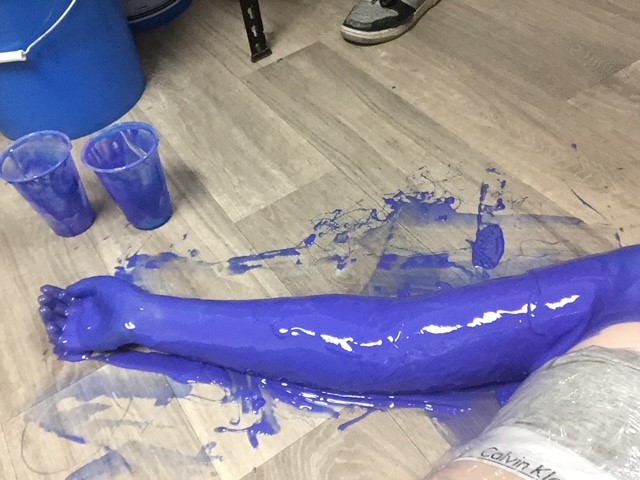
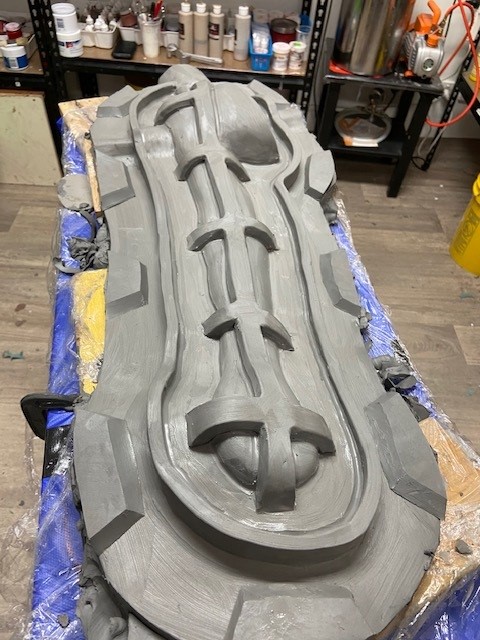
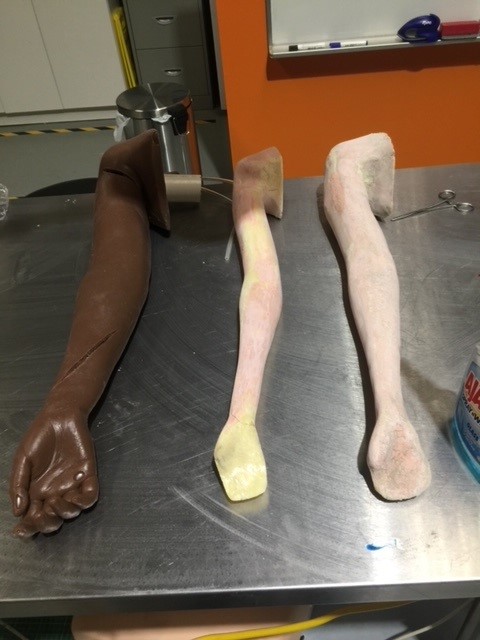
The construction process begins with a life cast, made using silicone and plaster bandage. We then filled this life cast with a liquified oil-based clay and demoulded it once it had cooled. The two wounds were sculpted into this solid clay arm and that became the shape that you see in our product.
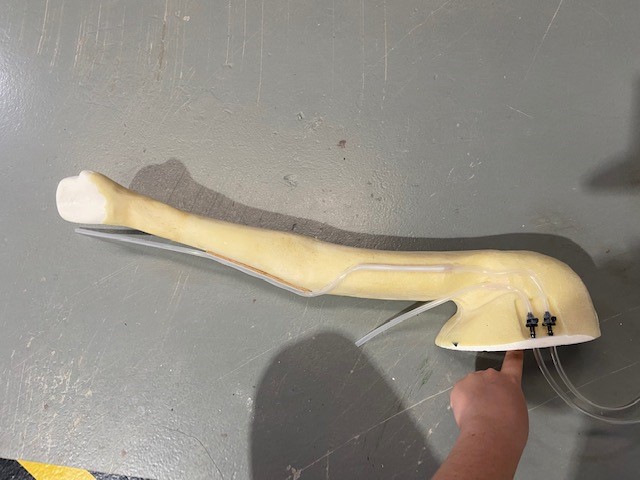
A 3-part fiberglass mould later, and we had the outer shell of the mould. The most complicated part of the process for this kind of product, is working backwards to develop the inner core of the product. We used our outer mould of the arm to measure inwards an even thickness on all sides, that would become the “skin”. Using these measurements, we were able to create a solid inner core that acts as the “bones” of the arm and can withstand the strength of a RAT and CAT tourniquet
Here is where the trouble shooting comes in. Product development always has complications, and we had a few challenges to face. How do we replicate the exact density of human skin, so that the tourniquet stops blood flow with the right amount of pressure? How do we make the arm easy to use? How do we make the arm strong enough to avoid breakage under pressure?
It took two full runs of the product development from life casting to pouring in order to smooth out all the kinks in the process. Trial and error is the key to success, and with a fair few errors we have created the life cast arm haemorrhage control simulator, ta-da!
As with all of our products, this Lifecast Arm is available in 11 x different skin pigments truly allowing diversity in your simulation training. For more information on this unit, check it out in our store (HCS01 Lifecast Arm) or contact the team today on 1300 411 080 or via [email protected].
Burn injuries are dynamic, complex and time-sensitive. Yet for years, many training tools have presented them as static wounds, limiting a responder’s ability to recognise deterioration, anticipate complications and manage care over time.
Burn Injury Training | Clinical Simulation | Emergency Response Why TraumaSim Developed a New Progressive Burns Range Through Innovation and Clinical Partnership By Belinda Rennie | Operations Manager, TraumaSim First published in the Asia Pacific Fire magazine, part of the MDM Fire Publishing Group, www.mdmpublishing.com Download the Full Article (PDF) Read the Original Magazine Version […]
Founder’s Feature: Nola Pearce From St John Cadet to the Founder of TraumaSim TraumaSim founder Nola Pearce didn’t begin her journey with a business plan or a product idea. It began decades earlier, with a teenager in Adelaide who wanted to help people and learn how to save lives. That curiosity — sparked in the […]
Haemorrhage Control Training Ukraine: Realism That Saves Lives At TraumaSim, our mission is to equip responders with realistic training tools that save lives. Sometimes, fulfilling this mission takes us beyond our labs and offices into experiences that are challenging, humbling, and deeply rewarding. Our recent work supporting haemorrhage control training in Ukraine is a perfect […]
Healthcare Simulation Week 2025 is here—celebrated globally from September 15–19 under the theme United Through Simulation. This week honors the incredible community of professionals who use simulation to improve the safety, effectiveness, and efficiency of healthcare for all. At TraumaSim, we’re proud to be part of this movement. Our mission is to create hyper-realistic simulation products that empower healthcare professionals […]



 All Products